

Half of the drivers who reduced their car insurance last year had a claim-worthy incident within the same 12 months, four times the rate of drivers who kept their coverage. The likely reason: a post-accident premium spike that makes full coverage feel unaffordable.
Once you have an accident, car insurance coverage can become so expensive that many drivers feel forced to reduce theirs, leaving them more financially exposed on the road. In Jerry’s 2026 State of American Drivers survey of 1,500 drivers, people who had a claim-worthy incident in the past year were about four times as likely to have cut their coverage as those with a clean record. About 21% of U.S. drivers reduced coverage in the past year, most likely as a result of increasing living expenses..Insurers can raise your rate by as much as 40% after an at-fault accident, according to the National Association of Insurance Commissioners, and that jump is frequently what turns full coverage into a bill people feel they can no longer afford.
The drivers who cut their coverage aren’t necessarily happy with the decision, either. Two in three now believe they have less protection than they might need, and 45% said they’ve already had a situation where they wished they had more coverage.
What drivers cut, and how it felt afterward
Of the 21% who reduced coverage, 66% said they probably have less protection than they need. Beyond that:
- 45% said they’d had a moment where they wished for more coverage
- 26% said they hadn’t regretted it yet but worry whether their coverage is enough
The remaining 29% stand by the call: 24% said it was right for their financial situation, and 5% plan to keep the reduced coverage going forward.
Key TakeawayMost drivers who cut coverage doubt the decision within a year, and for many that doubt is paired with a claim-worthy incident.
Drivers with accidents reduce their coverage
Drivers who had a claim-worthy incident in the past 12 months were about four times as likely to have reduced their coverage as drivers without one. Across all drivers, 20% said something happened to their vehicle in the past year that insurance might have covered.
An at-fault accident or ticket drives up premiums, sometimes sharply, and that higher bill can push a driver to drop comprehensive or collision to lower their premium. The Insurance Information Institute notes that a driver’s record is one of the biggest factors in what they pay. The result is that drivers end up thin on protection right after an event that proved they needed it, causing them both mental and financial stress.
Note: the survey can’t confirm the order of events, since the coverage change and the incident fall inside the same 12-month window. What it can show is that reduced-coverage drivers reported claim-worthy events at four times the rate of everyone else.
Key TakeawayTypically an incident raises your premium. he higher premium might push you to cut coverage, and you end up underprotected on the road.
Get personalized car insurance rates now.
Small savings against an unpredictable bill
Dropping comprehensive and collision saves a fixed amount every month. What it removes is protection against a cost that isn’t fixed at all: repairing or replacing your own vehicle. A driver who saves $40 a month and then faces a $4,000 repair is looking at the equivalent of eight years of premium savings for a single event, and the average collision claim topped $5,000 in 2024, according to Insurance Information Institute data.
The survey suggests the drivers making that trade are the ones least equipped for it. About 10% said they couldn’t cover a $1,000 repair bill at all, and another 28% would need a credit card to pay it off over time. In short, the coverage they dropped is the coverage that would have covered the hit.

Safer ways to lower the bill
Most drivers have better options than cutting protection. In the past year, 53% shopped around for a lower rate and 31% switched companies to get one. Another 27% raised their deductible in exchange for a lower premium, which trims the bill while keeping the coverage intact, as long as you can cover the higher deductible when something happens.
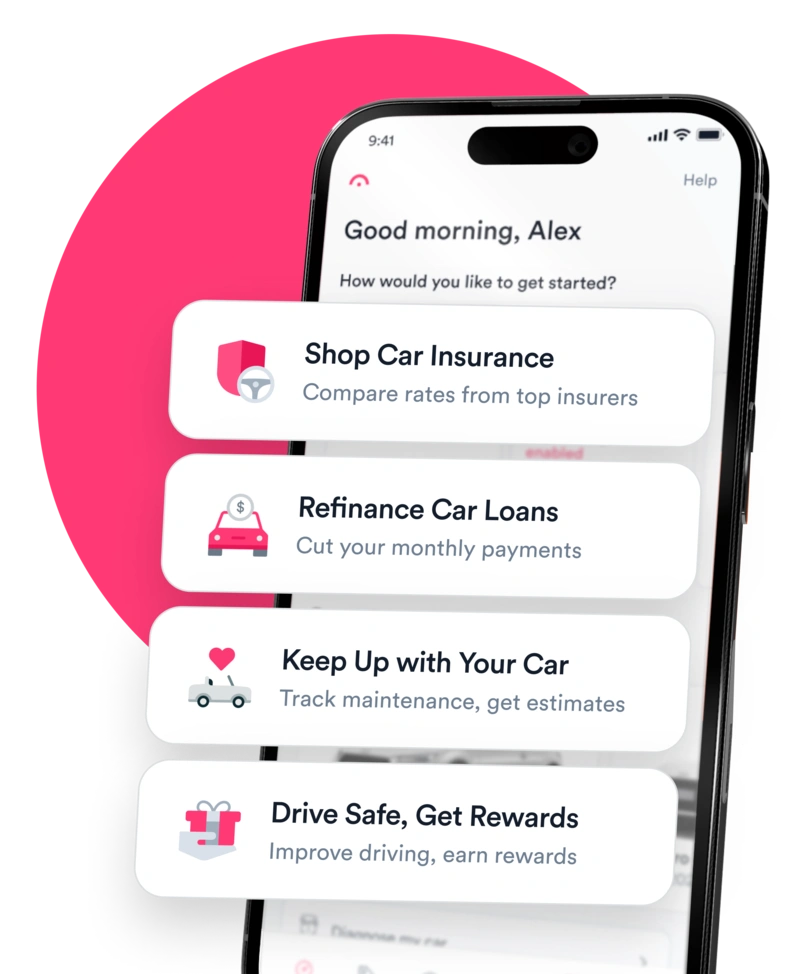
A good starting point is to compare quotes. Jerry shows rates from 100+ insurers based on your profile in minutes, so you can see what you’d pay for the same coverage before deciding to carry less of it. If there’s a better rate available, you can buy the new policy directly in the app, and Jerry handles the switch, so the hassle of changing insurers isn’t the reason you end up with less protection.

Jerry helps you save on car insurance fast.
The bottom line
One in five drivers cut their car insurance last year, and half of them had a claim-worthy incident within the same 12 months. For many, that isn’t a coincidence: an accident or ticket raised their premium, and the higher bill is what pushed them to carry less protection right when they were most likely to need it. Two in three now feel underprotected, and 71% regret the change or worry about it. Before reducing what your policy covers, price the same coverage somewhere else. For about a third of drivers who shopped last year, that was enough to lower the bill without touching the protection.

It only takes 2 minutes to sign up at Jerry.
FAQ
- Is it a good idea to drop full coverage to save money?
- What happens if I have an accident with liability-only coverage?
- Does raising my deductible lower my premium?
- How much can I save by switching car insurance companies?