

Key Takeaways
- Almost every state requires motorcycle liability insurance to ride legally. The only exceptions are Florida and New Hampshire, and even those states hold you financially responsible if you cause a crash.
- Required coverage only pays for the harm you cause other people. It doesn’t pay for your own injuries or your bike, so protecting yourself means adding coverage above the state minimum.
- In several no-fault states, the PIP coverage that pays a car driver’s medical bills does not cover riders, which makes UM/UIM and medical payments coverage important to consider.
In almost every state, you can’t legally ride a motorcycle without motorcycle insurance. Most states make you carry at least a minimum amount of liability coverage, which pays for the injuries and property damage you cause to other people, and the limits are usually similar to what drivers need for a car.

See motorcycle quotes side-by-side with Jerry.
What motorcycle insurance is required?
Almost every state requires a minimum amount of liability insurance, which pays for injuries and property damage you cause in an accident. It comes in two parts:
- Bodily injury liability (BI). Covers medical bills, lost wages, and legal costs for anyone you injure in an accident you caused.
- Property damage liability (PD). Covers damage you cause to other vehicles, buildings, fences, and anything else that is not yours.
Liability insurance limits are written as three numbers, like 25/50/25. That means $25,000 of bodily injury coverage for one person, $50,000 of bodily injury coverage per accident, and $25,000 of property damage coverage. Your state’s required limits may be higher or lower.
Some states require more than liability insurance, like uninsured and underinsured motorist (UM/UIM) coverage, which protects you when the at-fault driver has no insurance or not enough to cover the damage they cause. A few states also require medical payments coverage.
Here you can see what your state’s minimum motorcycle insurance requirements are.
Key takeaway: Nearly every state requires liability insurance, covering injuries and property damage you cause. It pays for other people’s injuries and damages if you cause an accident, but not you or your bike. Some states also require UM/UIM or medical payments coverage.
How Jerry helps you meet your state’s requirements
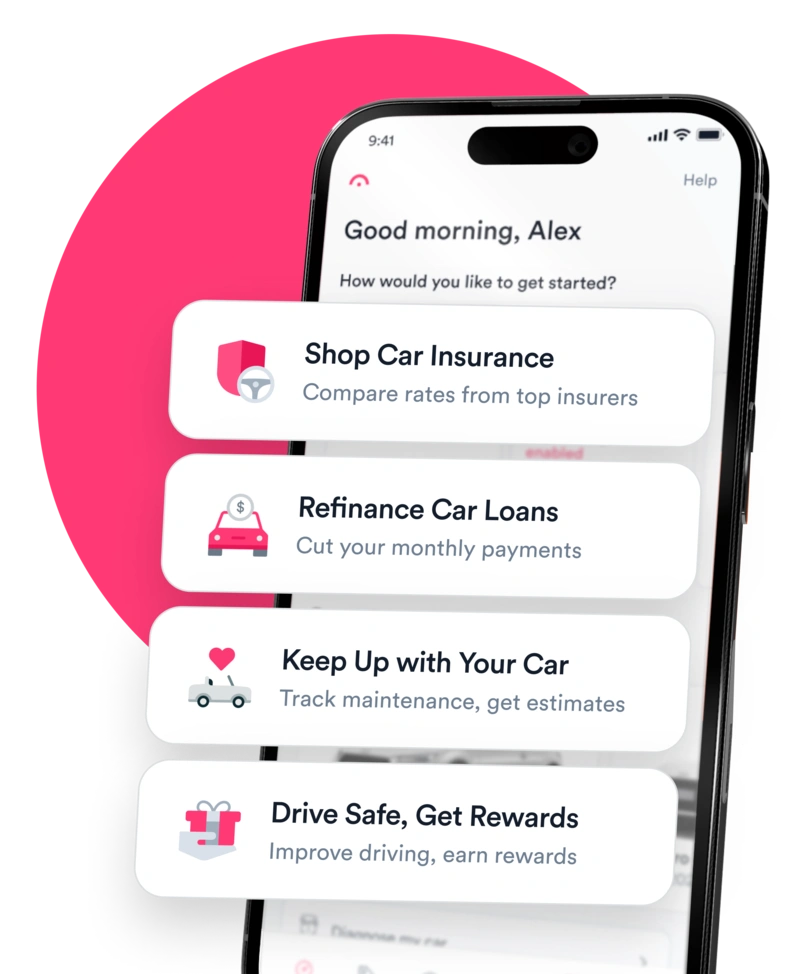
Jerry is the only insurance shopping platform that lets you compare motorcycle insurance quotes and buy your policy right in the app. Every quote you see through Jerry already meets your state’s minimum, so you don’t have to keep track of it yourself. Here is what you can do with Jerry.
- Compare multiple insurers side-by-side. See prices and coverage from top carriers in one place. Jerry pulls them together in minutes, saving you hours of manual research.
- Buy entirely online. Get covered without the phone calls or the spam. Jerry never sells your data and protects it with bank-level security.
- Get help when you want it. Not sure whether you need full coverage, or how much liability to carry? Jerry’s licensed agents are a quick chat or call away, 7 days a week.
- Stay covered over time. Jerry watches your rate, tells you when it is worth reshopping and reminds you about renewals so your coverage doesn’t lapse.
States that don’t require motorcycle insurance
Florida and New Hampshire don’t require riders to have motorcycle insurance. But even there, you are still financially responsible if you cause a crash, so most riders carry a policy anyway. Here’s more information for each state.
Florida
Florida does not require insurance to register or ride a bike. Instead, you have to prove financial responsibility if you cause an accident. Most riders do that by carrying 10/20/10 liability coverage. If you don’t have at least that amount and cause a crash, you’ll lose your license and registration, pay for the damage out of pocket, and be forced to carry insurance going forward.
Also, riders 21 and older who ride without a helmet must carry at least $10,000 in medical benefits coverage.
New Hampshire
New Hampshire does not require insurance for anyone on the road, riders included. You only have to prove you can pay for the damage you cause. But if you cause a crash without coverage, then you’ll be required to pay for the injuries and property damage out of pocket, which is why Jerry recommends you get motorcycle insurance despite the fact that it’s not required.
Jerry recommends: If you live in Florida or New Hampshire and cause a crash while riding uninsured, you’ll still be held financially responsible. It’s worth considering getting at least a minimum liability policy since it usually costs far less per month than paying for someone else’s injuries and property damage yourself.
What happens if you ride without insurance?
Riding uninsured can come with some serious consequences, including:
💸 Fines and fees that climb higher with each repeat offense.
🚫 A suspended license, endorsement and registration, plus reinstatement fees to get them back.
📋 An SR-22 filing. Many states require one after an uninsured riding citation, which flags you as high-risk for years.
⚖️ Personal liability. Cause a crash with no coverage and the other party can come after your savings, wages and assets.
📈 Higher premiums later. A coverage lapse tells every insurer you quote with afterward that you are a bigger risk.
Consider getting coverage above your state’s minimums
Meeting your state’s minimum and actually being protected are two different things. State minimums typically aren’t high enough to cover the full cost of an at-fault accident, and they also pay nothing toward your own injuries or bike.
Here is the coverage Jerry recommends riders consider:
- Liability of 100/300/100. That means $100,000 for one person’s injuries, $300,000 per accident and $100,000 for property damage. It is well above most state minimums and gives you real room if you cause a serious crash.
- UM/UIM coverage. This covers you when the at-fault driver has no insurance or not enough. Get limits that match your liability insurance.
- Comprehensive and collision if you could not easily pay to replace your bike. These cover damage to your motorcycle from a crash, theft or weather.
Key takeaway: Consider liability limits of 100/300/100 with matching UM/UIM limits, plus comprehensive and collision coverage, if you can’t easily afford to fix or replace your bike.

Get covered and ride confident with Jerry.
FAQ
- Is motorcycle insurance required in every state?
- How much motorcycle insurance am I required to carry?
- Does PIP cover me on a motorcycle in a no-fault state?
- Do I need insurance for a dirt bike or off-road motorcycle?
- Do I need to keep insurance on a motorcycle in storage?
- What proof of insurance do I need to carry while riding?

Ben Moore is a writer and editor at Jerry and an auto insurance expert. He previously worked as a writer, editor and content strategist on NerdWallet’s auto insurance team for five years. His work has been published in The Associated Press, Washington Post, Chicago Sun-Times, MarketWatch, Nasdaq and Yahoo News. He also served as a NerdWallet spokesperson, with appearances on local broadcast television and quotes in Martha Stewart and Real Simple magazine.
Ben has an extensive background in digital marketing, working on affiliate and programmatic advertising campaigns for brands like Cabela’s, H&R Block and Sears. He holds a bachelors degree in marketing from Olivet Nazarene University.