

Key Takeaways
- Comprehensive and collision coverages protect your own bike. Comprehensive covers theft, fire, weather and vandalism, while collision covers crash damage, including single-bike accidents. They are usually sold together.
- Neither one pays for injuries or damage you cause to others.
- Both are required if you finance your bike, and they are usually worth having if your bike would be expensive to replace.
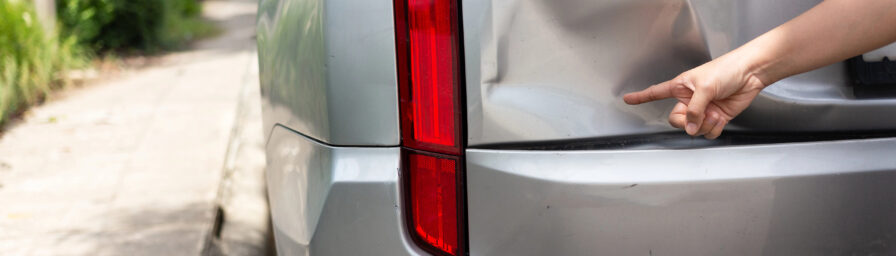
Comprehensive and collision are the two coverages that pay for damage to your own motorcycle. Comprehensive covers damage to your bike from events beyond your control, including theft, fire, weather and vandalism. Collision covers damage to your bike from a crash, whether you hit another vehicle, a guardrail or the pavement. Together with motorcycle liability insurance, they make up full coverage.
Here is what each coverage handles, and what neither one does.
| Comprehensive covers | Collision covers | Neither covers |
|---|---|---|
| Theft of your bike or its parts. | Damage to your bike from a crash with another vehicle. | Your medical expenses. |
| Fire damage to your bike. | Damage to your bike from hitting an object (guardrails, curbs, potholes). | Damage to another person’s vehicle or property. |
| Vandalism to your bike. | Damage to your bike in a single-bike accident. | Normal wear and tear. |
| Natural disasters and weather damage. | Tip-overs and drops. | Mechanical failure. |
| Falling objects. | Damage while the bike is being ridden. | Riding gear (without safety apparel coverage). |
See motorcycle quotes side-by-side with Jerry.
Do you need comprehensive and collision motorcycle insurance?
You need both coverages if you finance your motorcycle, since lenders always require them. They are optional if your bike is paid off, but Jerry recommends keeping them if you’d be unable to replace your bike if it was totaled or stolen.
Comprehensive and collision make sense if:
- Your bike is worth more than you could comfortably afford to replace out of pocket.
- You park outside or in an area with theft risk. Motorcycles are easy to steal, and the National Insurance Crime Bureau notes that bikes worth $20,000 or more are popular targets, sold whole or stripped for parts.
- You are still building riding experience. Tip-overs, parking lot drops and single-bike crashes all fall under collision, and they happen to new riders most of all.
- Losing your bike would create real financial hardship.
Is this coverage worth it on an older bike?
Comprehensive and collision coverage are likely worth keeping if you’d struggle to replace your bike if it’s stolen or wrecked.
You can also do some quick math. Add up what you pay for comprehensive and collision in a year, then compare it to what your bike is worth, minus your deductible. For example, a $3,000 bike with a $1,000 deductible is really only $2,000 of coverage. If you are paying more than about 10% of that amount each year, it is worth a second look.
Here’s an example of how the 10% rule plays out for a bike worth $3,000 with a $1,000 deductible.
Key takeaway: If you’re still paying off your bike, your lender requires both coverages. If it’s paid off, ask whether you could afford to replace it yourself. The 10% rule is a helpful guide, but if you’d struggle to replace your bike, consider keeping the coverage.
What comprehensive and collision motorcycle insurance cost
Comprehensive and collision are almost always sold together as a package, and you can only buy it on top of a liability policy, not instead of one. Liability plus comprehensive and collision is what insurers call full coverage.
Your deductible, the amount you pay out of pocket before your insurance pays a claim, directly affects your premium.
Why it matters: Deductibles matter more on a motorcycle than on a car. Bikes total easily and even cosmetic damage gets expensive, so pick a number you could actually pay tomorrow. A $1,000 deductible on a $4,000 bike is a quarter of a total-loss payout.
Compare quotes with comprehensive and collision through Jerry
The fastest way to see what comprehensive and collision cost for your bike is to compare quotes with and without them. Jerry is the only service that lets you compare motorcycle insurance quotes and buy your policy right in the app. You can add or remove coverages, watch the price change in real time and purchase only when it makes sense to you based on your needs and budget.
Jerry is completely spam free, and we never sell or share your data for marketing purposes. We take your privacy seriously and use bank-level security to protect your data.
How comprehensive and collision work in a claim
Comprehensive and collision coverage pay out up to your bike’s value minus your deductible. Here are a couple of examples of how that looks in practice.
Key takeaway: After a covered theft or crash, an insurance policy with comprehensive and collision coverages pays what your bike is worth, minus your deductible. The deductible you pick will determine how much you’ll pay out of pocket.
When to file a comprehensive or collision claim
Here’s when to consider filing a comprehensive or collision claim, and when it might make more sense to pay out of pocket.
Consider filing a claim if:
- Damage exceeds your deductible.
- Your bike is stolen or totaled.
Consider paying out of pocket if:
- Damage is less than your deductible, or only slightly above.
- You can afford the repairs without financial strain.
Why it matters: Comprehensive and collision claims can affect your rates for up to three years, even if the damage was not your fault. For minor damage, paying out of pocket may be a smarter decision long term.
Are custom parts and riding gear covered?
Most comprehensive and collision policies only cover the factory parts on your motorcycle. According to the Insurance Information Institute, many policies limit coverage for accessories like chrome parts, custom paint, trailers or sidecars. Policies typically include a small amount of custom parts and equipment coverage, often $3,000 or less, and anything beyond that requires additional coverage.
If you have invested in aftermarket exhaust, luggage, paint or performance upgrades, keep receipts and photos and tell your insurer. The same goes for riding gear. Helmets, jackets, gloves and boots are typically covered through optional safety apparel coverage, not comprehensive or collision.
Why it matters: A standard policy may not cover your entire bike if it has thousands of dollars in upgrades. Be sure to tell your insurer about modifications before you ever file a claim.
Keep comprehensive during the off-season
If your bike sits in storage for the winter, ask about a lay-up period instead of canceling your policy. A lay-up period suspends or reduces collision and liability insurance during the storage months while keeping comprehensive active, and your premium drops along with it.
Avoid canceling your insurance outright. Theft, fire and falling-object damage do not take the winter off, and a lapse in coverage raises your rates when you re-insure in spring.
Jerry recommends: Never fully cancel coverage on a bike you plan to keep. A lay-up period cuts your premium during storage months while comprehensive keeps protecting against theft and fire, and you avoid the rate increase that follows a coverage lapse.
Get covered and ride confident with Jerry.
FAQ
- Are comprehensive and collision required by law?
- Does collision cover a crash where no one else is involved?
- Does comprehensive cover motorcycle theft?
- Will my rates increase after a comprehensive claim?
- Should I drop comprehensive and collision on an older bike?
- Do comprehensive and collision cover my helmet and gear?
- What’s the difference between comprehensive and collision coverage?

Ben Moore is a writer and editor at Jerry and an auto insurance expert. He previously worked as a writer, editor and content strategist on NerdWallet’s auto insurance team for five years. His work has been published in The Associated Press, Washington Post, Chicago Sun-Times, MarketWatch, Nasdaq and Yahoo News. He also served as a NerdWallet spokesperson, with appearances on local broadcast television and quotes in Martha Stewart and Real Simple magazine.
Ben has an extensive background in digital marketing, working on affiliate and programmatic advertising campaigns for brands like Cabela’s, H&R Block and Sears. He holds a bachelors degree in marketing from Olivet Nazarene University.