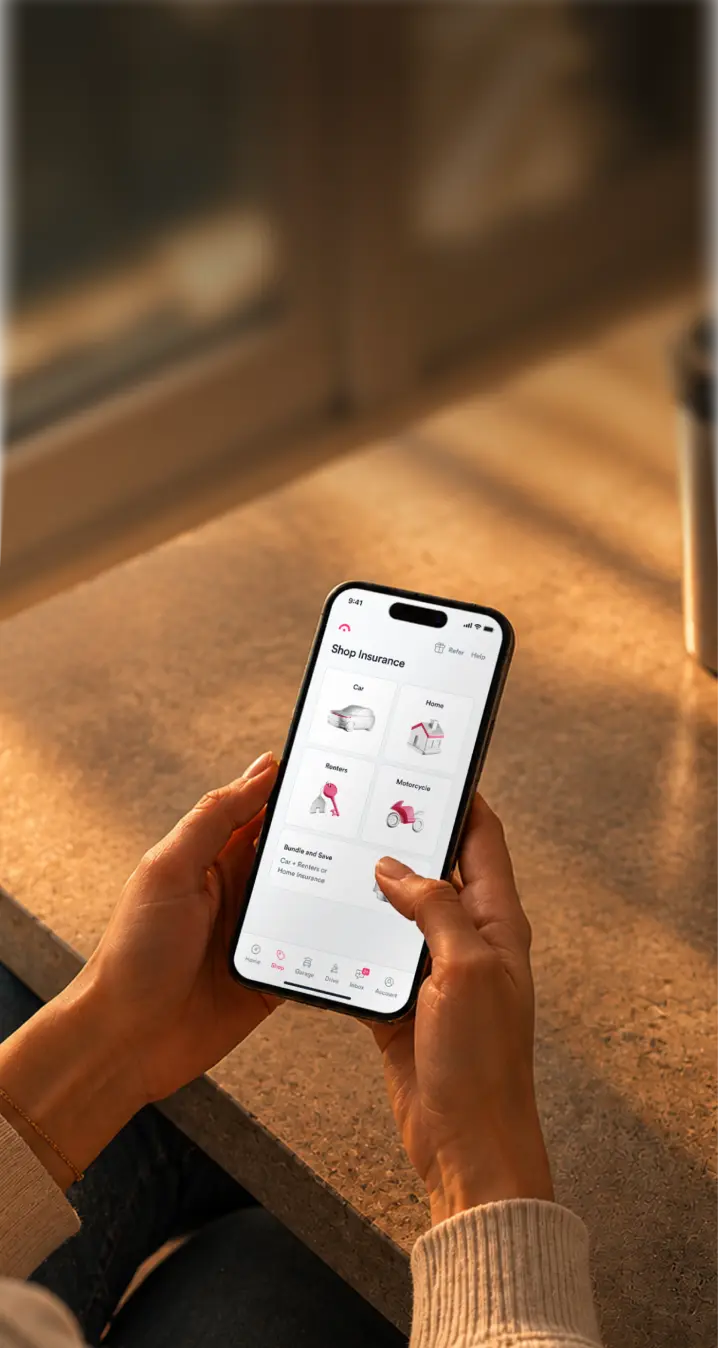

Jerry is your proactive car insurance assistant. We help you compare personalized quotes side-by-side from 100+ top insurers, explain coverage in plain English, and switch policies in minutes. No bouncing between sites. No pressure to buy. Just clear options, expert guidance when you want it, and a seamless way to get covered.
-
Read about our editorial standards here.
Compare Car Insurance Quotes With Jerry
Jerry is a free app trusted by 1,769,120 drivers that compares insurance quotes from top carriers.
-
Get personalized options in minutes.
-
Buy, bundle and switch right in the app.
-
Licensed agents are ready to help if you need them.
If you have not shopped for car insurance recently, you may be overpaying. The same protection can cost very different amounts from one insurer to another, and many drivers stick with the same company year after year because comparing quotes feels like a hassle.
Jerry has helped over 5 million drivers in the last year compare car insurance from 100+ insurers in minutes, find the coverage that actually fits their lives, and switch carriers without the spam calls. You can use Jerry to find the right policy and buy it completely online, or talk to one of our licensed agents if you need a personal touch.
Here is everything you need to know about comparing quotes and buying car insurance through Jerry.

Get personalized car insurance rates now.
How Jerry helps you find the right policy
The old way of shopping for car insurance means calling company after company, repeating your information, and waiting on hold while a salesperson runs your quote. Then you do it again at the next company. By the time you have three quotes, you have spent half a Saturday and your phone is ringing for the next two weeks.
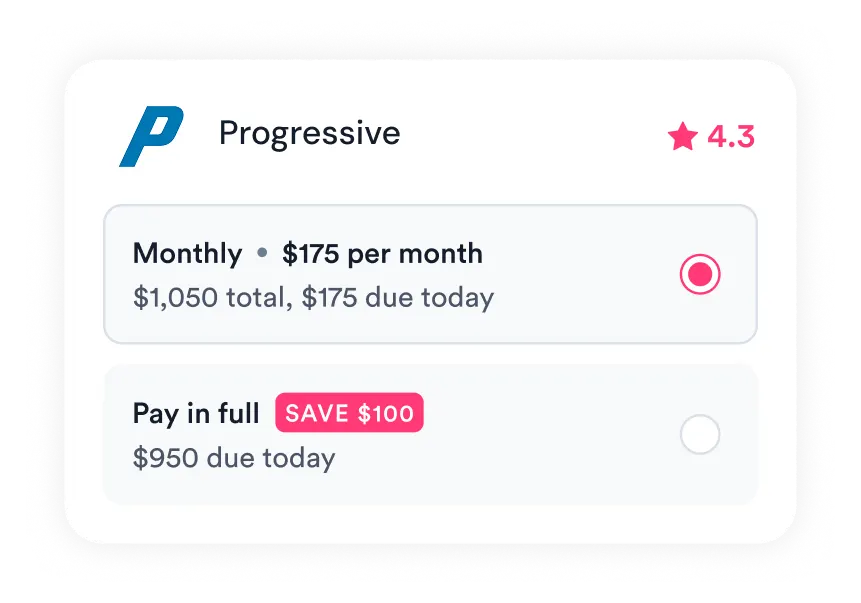
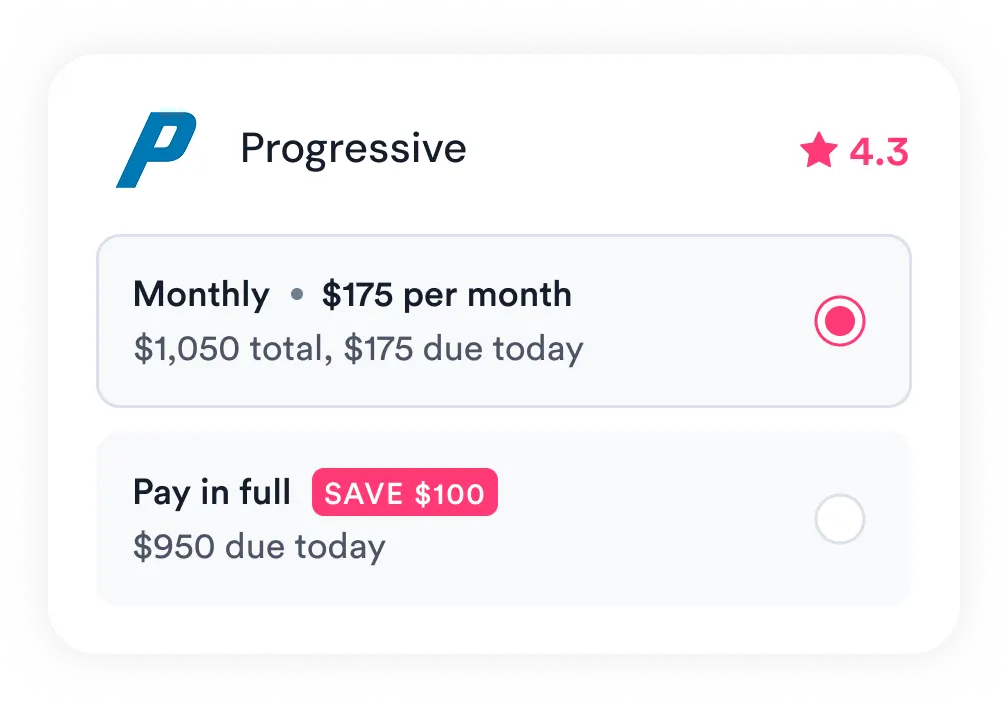
Jerry does the legwork for you, but without the phone calls. We pull real-time quotes from 100+ insurers in one place, show you side-by-side prices for the coverage you need, and keep watching your rate after you buy so you never overpay at renewal.
Our customers typically pay between $130 and $240 for car insurance, but what you’ll pay depends on where you live, what you drive and your driving history.
With Jerry, you can:
🔍 Compare 100+ insurers at once. See prices and coverage options from top carriers in one place. Instead of spending hours collecting quotes, Jerry gathers them in minutes.
🔄 Mix and match. Unlike traditional agents, Jerry lets you pair car insurance from one company with home insurance from another to find the best combo. Bundle and save up to 40%.
💻 Buy entirely online. Get covered without unwanted phone calls or spam. Jerry never sells your data thanks to the DataLock Guarantee.
💬 Get help when you need it. Questions? Jerry’s licensed agents are just a chat or phone call away, 7 days a week.
🛡️ Stay protected over time. We watch your rate, alert you when it is time to reshop and remind you about renewals. Jerry is your insurance assistant, not just a one-time tool.
Learn more: How Jerry Works
Coverage to look for when comparing quotes
When comparing prices, don’t just look for the lowest price. A cheaper policy might not be a good deal if it doesn’t fully cover you after an accident.
You also should compare quotes for policies with the same coverage types and limits so you get a true comparison.
Here are the coverages to know about when figuring out how much car insurance you need.
Bodily injury liability (BI)
- Who it pays: The other person, for injuries when you’re at fault in a crash.
- What it covers: Medical bills, lost wages and legal costs for people injured in an accident you cause.
- How it pays: Up to your policy limits, shown as two numbers. For example, 50/100 means $50K per person and $100K per accident.*
- Do you need it? Required by law in every state except New Hampshire. Your state sets a minimum, but Jerry recommends considering limits of at least 100/300.
Property damage liability (PD)
- Who it pays: The other person, for property you damage in a crash.
- What it covers: Costs to repair or replace another person’s car, fence, mailbox or other property you hit.
- How it pays: Up to your policy’s limit. For example, $50K.*
- Do you need it? Required by law in every state except New Hampshire. Your state sets a minimum, but Jerry recommends considering limits of at least $100K.
*Bodily injury liability and property damage liability are typically shown as three numbers on your policy, like 100/300/100. The first two numbers represent your bodily injury limits per person and per accident, while the third number represents your property damage limit.
Collision
- Who it pays: You, for damage to your own car.
- What it covers: Costs to repair or replace your own car after a crash with another car or object, like a guardrail or pole.
- How it pays: You pay a deductible first, then insurance covers the rest, typically up to your car’s current market value.
- Do you need it? Required if you’re financing or leasing your car. Optional otherwise, but recommended if your car is worth more than $5,000. May not be worthwhile for older, lower-value cars.
Comprehensive
- Who it pays: You, for damage to your own car.
- What it covers: Damage from non-crash events like theft, vandalism, hail, flooding, falling trees, fire or hitting an animal.
- How it pays: You pay a deductible first, then insurance covers the rest, typically up to your car’s current market value.
- Do you need it? Required if you’re financing or leasing your car. Optional otherwise, but recommended if your car is worth more than $5,000. May not be worthwhile for older, lower-value cars.
Uninsured/underinsured motorist (UM/UIM)
- Who it pays: You and your passengers, for injuries and property damage.
- What it covers: Your own injuries and property damage when the at-fault driver has no insurance or not enough to cover your costs, including hit-and-runs in many states.
- How it pays: Up to your chosen limits, which often match your BI limits. There’s usually no deductible for UM, but UIM may have one.
- Do you need it? Required in some states, but Jerry recommends every driver get it, since about 1 in 8 drivers does not have car insurance.
Personal injury protection (PIP)
- Who it pays: You and your passengers, for medical bills and lost income, no matter who caused the accident.
- What it covers: Medical bills, lost wages, childcare, funeral costs and other expenses after an accident, regardless of fault.
- How it pays: Up to your policy limit. There’s usually no deductible, though this varies by state.
- Do you need it? Required in no-fault states. If available in your state, it’s worth considering.
Medical payments (MedPay)
- Who it pays: You and your passengers, for medical bills.
- What it covers: Medical expenses after an accident, regardless of fault.
- How it pays: No deductible. Pays up to your policy’s limit.
- Do you need it? Optional in most states, but can be valuable if you don’t have health insurance or have a high-deductible health plan.
Minimum
$76 – $171/mo
Meets your state’s liability requirements to keep costs low, but doesn’t cover damage to your own car.
Full
$157 – $349/mo
Adds collision and comprehensive coverage for your vehicle, which is often required if your car is financed or leased.
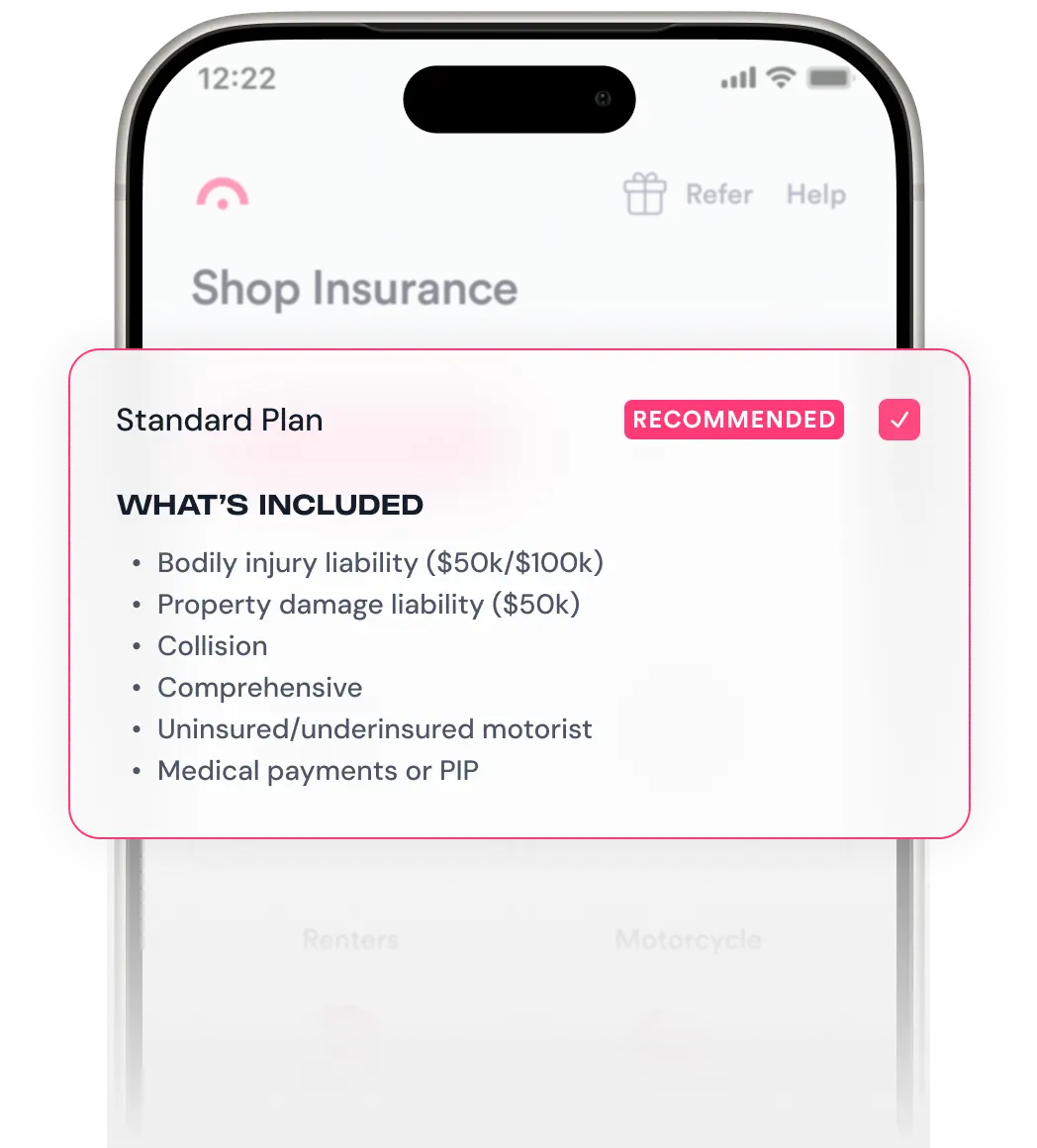
Standard
$190 – $430/mo
Includes uninsured motorist and medical payments coverage, which is especially valuable since nearly one in seven drivers is uninsured, according to the Insurance Research Council.
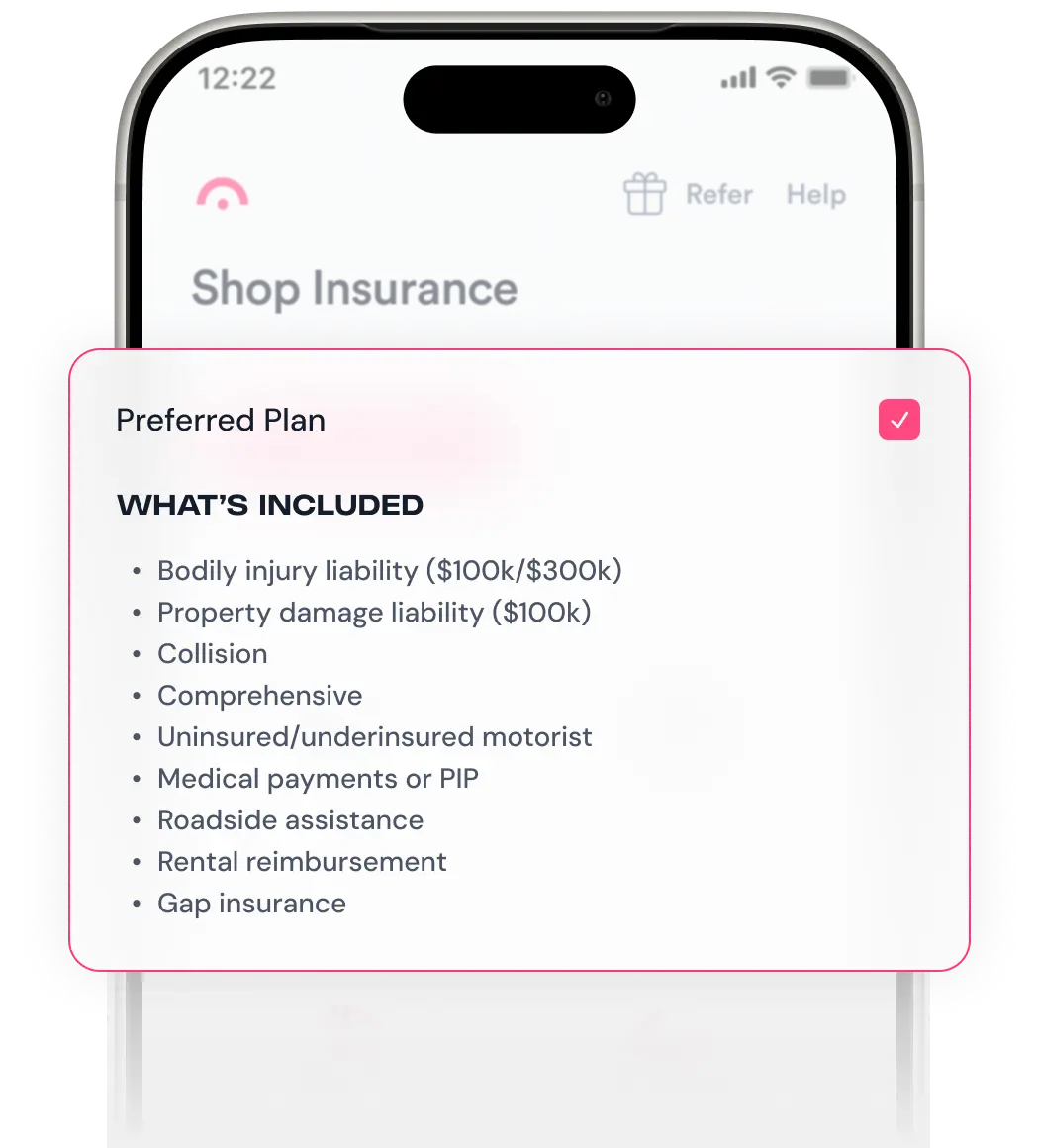
Preferred
$213 – $486/mo
Offers higher liability, lower deductibles and extras like towing and rental reimbursement for maximum protection.
Calculate your car insurance costs
Car insurance calculator
Your personal rate estimate in 60 seconds
|
Coverage levels
Basic:
Standard:
Preferred:
* Full coverage includes comprehensive & collision coverage. Coverages may differ in
no-fault states.
|
|||
|---|---|---|---|
| Insurer | Basic | Standard | Preferred |
What affects your car insurance rate
Insurance companies weigh dozens of factors when pricing a policy. Most are about how risky you and your car are to insure.
Here are the ones that move your rate the most.
Why it matters: Two drivers with the same car, same ZIP code and the same record can pay very different prices for the same coverage. Jerry checks multiple insurers for you, so you know your policy actually fits your situation.
Learn more: How is car insurance calculated?
How to save on car insurance
Even with rising rates, there are real ways to bring your premium down. Most drivers qualify for multiple car insurance discounts, but insurers do not always apply them automatically.
Stack your discounts
Stacking discounts can save hundreds of dollars per year, but insurers don’t always apply them automatically. Here are the most common ones Jerry customers use, with the typical savings range.
Based on Jerry customers with clean driving records who found savings in the past 12 months. Savings depend on coverage and other factors. Potential savings will vary.
Pick the right deductible
Raising your collision and comprehensive deductible from $500 to $1,000 can lower your premium meaningfully. Most Jerry customers choose a deductible between $500 and $1,000. The catch is you pay more out of pocket when you file a claim, so pick an amount you could comfortably afford on short notice.
Reshop when your policy is up for renewal
Carrier rates change regularly. A company that was the most affordable last year might not be this year. Shopping for auto insurance every 6 to 12 months keeps you from overpaying if your current insurer raises rates. Jerry does this automatically by monitoring your rate in the background and alerting you when it is time to reshop.
Jerry recommends: Drivers can end up overpaying for coverage because they don’t know what discounts they qualify for, pick the wrong deductible or never reshop. Jerry handles all three for you. We find the discounts you’re eligible for, help you pick a deductible that fits your budget and watch your rate so you never have to remember when to reshop.
Car insurance requirements by state
Car insurance is legally required in 49 states and Washington, D.C. New Hampshire is the only state that does not mandate liability coverage, but drivers there still have to prove they can pay for damages they cause. Minimum limits vary widely, and several states raised their minimums in 2025 and 2026.
| State example | Minimum liability | Notable rule |
|---|---|---|
| California | 30/60/15 | Raised from 15/30/5 in January 2025, the first increase since 1967 |
| North Carolina | 50/100/50 | Raised from 30/60/25 in July 2025. Uninsured motorist must match |
| Virginia | 50/100/25 | Raised from 30/60/20 in January 2025 |
| Florida | 10/20/10 | No-fault state. $10,000 personal injury protection required |
| New Hampshire | None required | Drivers must prove financial responsibility after an accident |
| Mississippi | 25/50/25 | Lowest average minimums. Highest uninsured rate at 28.2 percent |
Some states also require additional coverage on top of liability:
- Personal injury protection is required in 12 no-fault states.
- Uninsured motorist coverage is required in more than 20 states, often at limits that match your liability.
- Medical payments coverage is required in Maine, New Hampshire and Pennsylvania.
Learn more about car insurance in some of the most popular states
Find your state’s specific rules in our car insurance state guides.
Jerry recommends: State minimums are the lowest coverage you can legally carry, but might not be enough for a serious accident. Jerry recommends at least 100/300/100 in liability so you are fully covered if an accident costs more than your state’s minimum will pay.he Jerry app, where you can also look up a realistic repair bill. If that out‑of‑pocket would sting, collision is worth a look.

It only takes 2 minutes to sign up at Jerry.
faq
-
How does Jerry compare car insurance quotes?
-
Is Jerry actually free to use?
-
How much does car insurance cost per month?
-
How much car insurance do I need?
-
Is car insurance required by law?
-
Can I bundle home and car insurance through Jerry?
-
What do I need to get a car insurance quote?
-
Can I get car insurance the same day?
-
How can I lower my car insurance rate?
Methodology
Data included in this analysis comes from policies that Jerry has quoted within the last 6 months for drivers with a clean record and that have full coverage, unless stated otherwise. Data related to violations, accidents or credit scores pull from quote data from the last 18 months. Jerry services 48 states and offers a range of insurance companies to choose from. Read Jerry’s car insurance data methodology to learn more about how we collect, verify and share real-world insurance data.
Ben Moore is a writer and editor at Jerry and an auto insurance expert. He previously worked as a writer, editor and content strategist on NerdWallet’s auto insurance team for five years. His work has been published in The Associated Press, Washington Post, Chicago Sun-Times, MarketWatch, Nasdaq and Yahoo News. He also served as a NerdWallet spokesperson, with appearances on local broadcast television and quotes in Martha Stewart and Real Simple magazine.
Ben has an extensive background in digital marketing, working on affiliate and programmatic advertising campaigns for brands like Cabela’s, H&R Block and Sears. He holds a bachelors degree in marketing from Olivet Nazarene University.