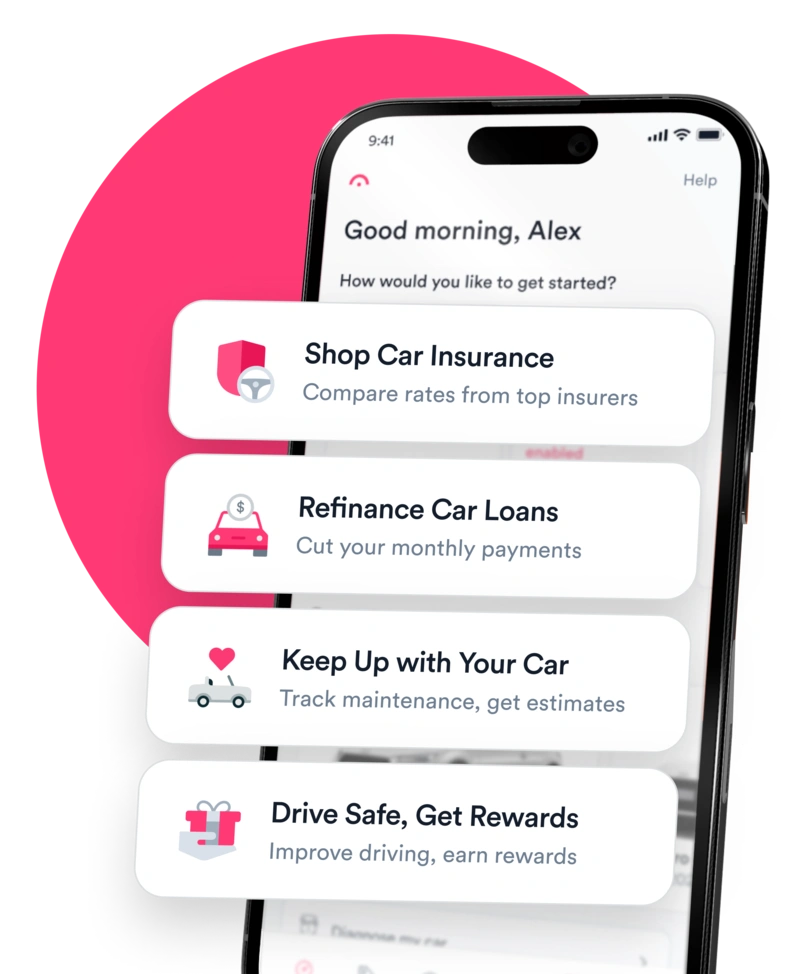

Get a car-specific estimate in the Jerry app, then compare live shop prices before you head in. Download the Jerry app to see real quotes and parts/labor splits from shops near you.
Real customers Jerry helped
While pricing can vary based on different factors like location, parts used, and exact vehicle, Jerry uses real customer experiences to show what drivers are paying right now. Here are some examples of customers we’ve helped find their repairs at the right price.
Date | Customer Name | Car | Location | Part cost | Labor time (min) | Labor cost | Total cost |
|---|---|---|---|---|---|---|---|
| 09/07/26 | Peter C. | 2003 Chevrolet Silverado 1500 | Madison, WI | $329.02 | 45 | $96.00 | $425.02 |
| 09/07/26 | Nelle S. | 2003 GMC Sierra 1500 | Lakeville, MN | $295.51 | 45 | $77.51 | $373.02 |
| 09/07/26 | Rhoda R. | 2002 GMC Yukon | Brookhaven, MS | $341.33 | 35 | $76.11 | $417.44 |
| 09/07/26 | Stanley P. | 2002 Chevrolet Blazer | Oneonta, NY | $74.64 | 45 | $91.75 | $166.39 |
| 09/07/26 | Amy F. | 2005 Jeep Grand Cherokee | Destin, FL | $48.72 | 35 | $78.97 | $127.69 |
| 09/07/26 | Chase M. | 2001 GMC Sierra 2500 | Greenwood, SC | $42.03 | 35 | $77.15 | $119.17 |
| 09/07/26 | Caleb W. | 1998 Ford F-150 | Bend, OR | $124.84 | 35 | $66.99 | $191.83 |
Estimates are modeled based on real vehicle and location data; names have been changed. Actual prices will vary by shop, parts, and vehicle condition.
Cost breakdown: why prices vary
Every day, Jerry helps drivers find fair prices on car repairs—and we’ve identified the most common reasons those prices can vary:
System design (integrated vs. standalone):
Standalone sensors are $50–$150; integrated sensors run $300–$800+ and may add additional labor time.
Parts (OEM vs. aftermarket):
OEM sensors are $100–$300; quality aftermarket are $25–$100. Stick with reputable brands (Denso, NTK/NGK, Delphi, Bosch). For ETBs, be cautious with remans unless they specify new sensors/motor.
Calibration:
After replacing a throttle position sensor, many cars need a quick “relearn” so the computer can reset the idle and throttle settings. This can add about 15–30 minutes of labor. Some cars can relearn with a simple key-on/let-it-idle routine, but a shop using a scan tool–guided relearn is usually more reliable.
The repair explained: your engine’s “gas pedal” sensor
A throttle position sensor (TPS) tells your car’s computer how far the throttle is open when you press the gas. That helps it decide fuel delivery, shifting, and idle control. When it’s failing, you might notice hesitation, surging, rough idle, or an erratic throttle response.
On cable-throttle cars, the TPS is mounted on the throttle body and directly reads the throttle plate’s movement from the cable—often a simple sensor swap plus adjustment. On drive-by-wire cars, the “pedal-to-throttle” is electronic, and the TPS may be built into the throttle body; diagnosis and relearn/calibration are more important.
I worked on a Cadillac and later it came back with a sensor warning and the engine shut down. I hadn’t touched the throttle, but a tiny plastic clip had slipped into the air tube and jammed in the throttle flap (the little door that controls how much air the engine gets). Since the flap couldn’t move the way it should, the computer saw “wrong” air readings and shut the engine off to protect itself. I pulled the clip out, and it ran perfectly.
If you do any work near the air tube or throttle, two quick habits help a lot: count your clips/screws so you know nothing’s missing, and take a fast peek inside the tube to make sure the air path is clear. If the tube is open while you’re working, stuff it with a clean, bright rag so nothing can fall in. And make sure you remove the rag before you put everything back together. Little checks like that can save you a big roadside headache.

Symptoms of a failing TPS
Throttle position sensor issues often show warning signs first. From Jerry’s work with real drivers, here’s what we’ve found you should watch out for:
- Rough or unstable idle: The engine idles high, low, or “hunts” up and down.
- Hesitation on takeoff: You press the gas and it bogs, stumbles, or feels delayed before accelerating.
- Surging while driving: Speed goes up and down slightly even though your foot stays steady.
- Jerky shifting: Automatic transmission shifts feel harsh, late, or unpredictable (the car can’t “read” your throttle input well).
- Check Engine light: The light comes on, sometimes with reduced-power/limp mode.
- Stalling: The engine may die when coming to a stop or when you quickly change throttle input.
Your action plan: How to save money on this repair
Follow this action plan to clearly diagnose the issue and decide on next steps. It’s designed to help you and your mechanic get the repair done right the first time.
Confirm the diagnosis:
Describe symptoms clearly to a tech who can test throttle body/pedal sensors and wiring. Jerry’s diagnostic tool can also provide guidance.
Assess difficulty:
Use VIN/parts lookup to learn whether you have a standalone sensor or ETB and whether a relearn is required.
Get competing quotes:
The Jerry app helps customer gets real quotes from nearby shops.
Check warranties:
See if any powertrain/emissions coverage applies by VIN; otherwise confirm the shop’s warranty in writing.
DIY vs. Pro: what to expect
Jerry offers price point comparisons on parts and labor to help customers decide on the right approach:
Related repairs & services
If your throttle position sensor needs replacing, it’s a good time to see whether any related repairs are due—you can often save by doing them together. Jerry helps customers find trustworthy pricing for bundled services.
- Induction carbon cleaning: Throttle body cleaning is smart preventive maintenance (use throttle-body-safe cleaner; don’t soak the motor).
- MAF/vacuum/APP checks: These can mimic TPS issues; a shop can verify quickly.
- Harness/connector inspection: Many “bad TPS” cases are wiring, grounds, or corrosion—wiggle tests and terminal checks can prevent unnecessary parts.
- Cooling system service: Some throttle bodies are coolant-heated; top off/refill if opened.
What our customers are asking
- Can I drive with a bad TPS?
- Will the Check Engine Light turn off after replacement?
- Do I need a throttle “relearn”?

Jerel Lawrence is an experienced and certified automotive technician with a strong foundation in diagnostics, repair and technical mentorship. A graduate of NASCAR Technical Institute in 2010, Jerel began his career at national automotive repair chain locations, where he earned eight certifications from the National Institute for Automotive Service Excellence (ASE).
From 2017 to 2022, he worked as a General Motors-certified technician at a Cadillac dealership, refining his skills in manufacturer-specific diagnostics and service procedures. Today, Jerel leads as the senior technician and mentor at a family-owned repair facility, where he helps guide the next generation of technicians while ensuring top-quality service.
In addition to hands-on work, Jerel contributes to the automotive community through writing detailed articles and answering technical questions to help vehicle owners better understand and care for their cars.

Nick Wilson is an editor, writer, and instructor across various subjects. His past experience includes writing and editorial projects in technical, popular, and academic settings, and he has taught humanities courses to countless students in the college classroom. In his free time, he pursues academic research, works on his own writing projects, and enjoys the ordered chaos of life with his wife and kids.