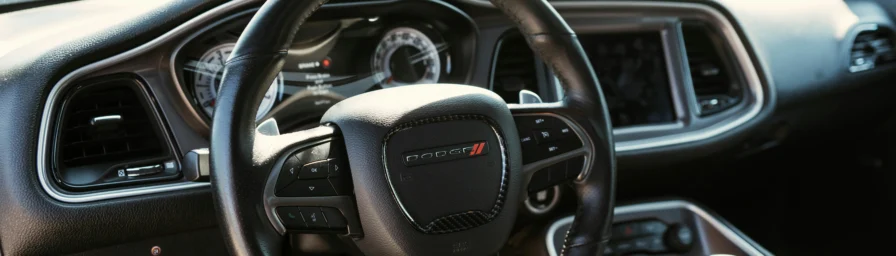


Sometimes, the key won’t turn or won’t come out completely. After helping 400,000 customers with repairs and maintenance, Jerry has learned that while diagnosing the root source of the problem can be very simple, repairing this issue should be left to a professional mechanic.
Want to be sure? Join the 40,000 people who have downloaded the Jerry app and used our AI diagnosis chatbot to confirm why their car keys are stuck in the ignition.
Real customers Jerry has helped
Costs for getting your stuck key out of the ignition depend on your exact vehicle, where you live and the quality of parts used. With Jerry, you can quickly see what drivers are paying right now. Below are real examples of customers we’ve helped secure top prices for when they need a fix for their key being locked in the ignition.
Estimates are modeled based on real vehicle and location data; names have been changed. Actual prices will vary by shop, parts, and vehicle condition.
Can I keep driving with a stuck key?
Several root causes lead to your car key becoming stuck, and each has its own level of seriousness. Running a quick diagnostic in the Jerry app can help you decide whether to take your car to a shop or not. Here’s a breakdown of the criteria that can help you accelerate repairs if needed:
🚨 Urgent — stop driving and get this repaired ASAP
- If the car key is completely stuck in the ignition cylinder and you can’t turn it at all, you won’t be able to start the vehicle. If you’re in a position where it’s not possible to turn off the vehicle (extremely unlikely due to the design of ignition switches), pull over to a safe location, put the transmission in park and contact a roadside assistance company immediately.
- If the steering wheel becomes locked with the engine running.
- If your key breaks off inside the ignition cylinder (which could lead to vehicle theft).
🕒 Soon — you’re OK to drive, but fix this week
- If the key turns but won’t disengage from the ignition cylinder after shutting the engine off.
- If you need to ‘wiggle’ or force the key to turn the ignition switch.
- When the key becomes stuck intermittently, it may eventually come free with gentle manipulation.
✅ Monitor — safe to drive
- When the key occasionally feels tight but still turns and usually removes.
- If the key requires more pressure than usual to turn.
- If the key turning or being stuck problem only occurs in certain weather conditions (very hot or cold days).
How do car keys in the ignition normally work?
The ignition system in most modern cars no longer requires a physical key, as the engine is instead activated electronically through a key fob and push-button start. However, older vehicles with manual keys are designed with several safety mechanisms to ensure safe vehicle operation and reduce theft.
When any one of these components fail, it can prevent the key from turning or being removed. This situation typically becomes progressively worse over time, so it’s crucial to resolve any key operation issues before they get to a point where minor issues turn into a significant repair.
Pro tip: You’ll notice that in cars more than 10 years old, your key might become stuck or tight during extremely cold weather conditions. This is due to the metallic components inside the ignition cylinder expanding and contracting due to the cold weather.
If this happens to you, grab a hair dryer and slowly blow warm air into the ignition cylinder for a minute or two. This should resolve your issue. If it doesn’t, have a professional mechanic inspect and repair the problem.
Symptoms and typical fixes
Download the Jerry app to compare local automotive repair quotes side-by-side in minutes.
DIY vs. Pro: Can I do this myself?
Some stuck key issues are caused by minor problems, like the steering wheel being turned slightly when parked. However, data from Jerry customers shows most root sources should be diagnosed and repaired by a professional mechanic.
DIY-friendly fixes
If your key is stuck but the engine is off, this may be due to the steering wheel lock being engaged. Here are two simple things you can do to fix this issue:
- For steering wheel lock: Gently turn the steering wheel left and right while simultaneously trying to turn the key. This can release the steering lock mechanism.
- Check gear position: Ensure your vehicle is completely in park (automatic) or that the clutch is fully depressed (manual). The shift interlock sometimes prevents key removal if the transmission isn’t properly positioned.
Professional mechanic repairs
Most stuck key issues are too complex for the average car owner. Not only that, but working on ignition systems often requires specialized tools and knowledge of anti-theft systems.
Here are some ignition repairs that you should defer to a professional mechanic:
- Ignition cylinder replacement: A worn ignition cylinder will cause keys to stick or fail to turn. This repair requires removing the steering column covers, disconnecting electrical components and properly programming the new cylinder to work with your existing key.
- Ignition switch replacement: A faulty ignition switch can prevent proper key removal even when the cylinder works correctly. This repair involves accessing the switch behind the cylinder and ensuring proper electrical connections.
- Shift interlock repair: Problems with the shift interlock system require diagnostic equipment to identify sensor failures or wiring issues. This repair often involves accessing components inside the center console.
- Key extraction and cylinder repair: If your key breaks off inside the ignition, special extraction tools are required to remove the broken piece without damaging the cylinder further.
- Steering column lock repair: Issues with the steering wheel lock mechanism require disassembly of steering column components and may involve anti-theft system reprogramming.
Download the Jerry app to book a trusted shop and set easy maintenance reminders in one place.
Special notes
- High-mileage vehicles: You’ll typically notice ignition problems after your vehicle reaches 150,000 miles due to normal wear on internal components.
- Multiple keys: If you have a spare key, try using it to determine if the problem is with your key or the ignition cylinder itself.
- Electronic keys: Modern vehicles with push-button start systems have different failure modes and require dealership-level diagnostic equipment for repairs.
What not to do
- NEVER use excessive force to turn a stuck key. This can break the key or damage expensive ignition components.
- DO NOT attempt to lubricate the ignition cylinder with oil or other liquids, like WD-40 or another penetrating fluid. This can attract dirt and exacerbate the problem.
- DO NOT ignore intermittent sticking. Small problems often become major failures if left unaddressed.
Prevention
Thanks to advancements in ignition technology and key materials, stuck keys are less common in modern vehicles (post-2015). However, there are three crucial routine maintenance items that help reduce the root causes of many ignition problems.
Keep keys clean and inspect for wear monthly: Look for bent or worn key teeth that could cause binding.
Avoid heavy keychains that can wear out the ignition cylinder: Excessive weight puts stress on internal components.
Have your ignition system inspected during regular maintenance: Early detection of worn components prevents complete failures. You can track your repair intervals in the Jerry app to make sure your ignition maintenance is done consistently.
What our customers are asking
-
Why does my key seem to stick more in cold weather?
-
How long do ignition cylinders typically last?
-
Is it safe to drive with a key that occasionally sticks?
-
Why does my key stick but my spare key works fine?

A published columnist, automotive journalist, former service writer and ASE Automobile & Light Truck Certified technician (A1 – A9 – 1996 – 2006), Tim Charlet brings nearly four decades of automotive communication experience to the team at Jerry.
Charlet has written more than 10,000 articles, blogs and technical manuals for the automotive industry. His experience working with OEM & aftermarket manufacturers, enterprise-level dealerships and private service technicians provides him with a unique perspective on how modern cars, trucks and SUVs operate and are serviced.
Additionally, his years of digital marketing content & public relations experience provide a conversational, yet easy-to-follow writing style for both professionals and general consumers.
Along with writing for Jerry, Charlet also works with multiple automotive detailing product manufacturers, creating user-friendly and eco-friendly detailing and vehicle protection liquids.
He is also the co-founder of Right2Breathe.org, a non-profit organization dedicated to raising awareness for COPD, Asthma and other respiratory diseases within the automotive industries.

Everett Cook is an award-winning journalist and editor with more than 10 years of experience across a variety of industries. In editing for Jerry, Everett’s mission is to help readers have a better understanding of the costs of owning or leasing a car and to better understand their vehicle in terms of insurance and repairs. Prior to joining Jerry, Everett was an editor for Axios. His previous work has been featured in The New York Times, The Los Angeles Times, The San Francisco Chronicle, The Atlantic, Atlantic Re:think, The Boston Globe, USA Today, and others. He’s also been a freelance writer and editor with experience in SEO, audience building, and long-term content roadmaps. Everett is a proud graduate of the University of Michigan.