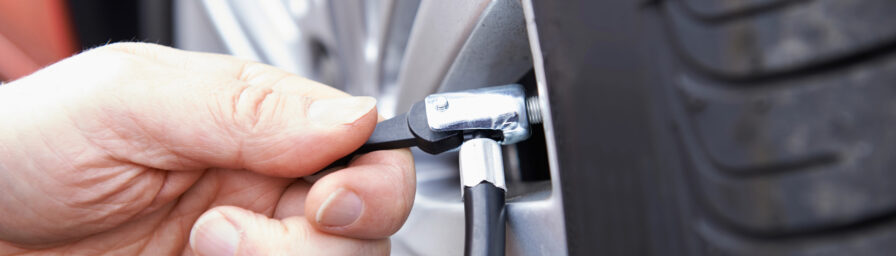



A tread puncture, poor seal where the tire meets the rim (called the bead), leaking valve stem or rim damage/corrosion are the main sources for tire leaks. Cold weather can also drop pressure and make slow leaks worse. Sidewall cuts or bulges are more serious and mean the tire must be replaced.
In this guide, you’ll learn what’s urgent, common causes, typical fixes with prices, the cost to fix a tire leak and when to call a pro. We’ll also cover simple steps you can do safely at home.
Download the Jerry app to estimate repair costs from a national database, see open recalls, get tire repair near me quotes from shops near you with no phone calls, chat with AI about symptoms and set maintenance reminders.
Real customers Jerry has helped
Costs for fixing your tire leak depend on your exact vehicle, where you live and the quality of parts used. With Jerry, you can quickly see what drivers are paying right now. Below are real examples of customers we’ve helped secure top prices for when they need a fix for their tire leak.
Estimates are modeled based on real vehicle and location data; names have been changed. Actual prices will vary by shop, parts, and vehicle condition.
At-a-glance: Can I keep driving?
If your tire is losing air, first judge how fast it’s leaking and where the damage is before deciding whether to keep driving.
If your tire is losing air, first judge how fast it’s leaking and where the damage is before deciding whether to keep driving.
- 🚨 Urgent—turn it off and get help (roadside assistance or tow)
- Sidewall cut, bulge or exposed cord (high blowout risk).
- Hissing leak you can hear or pressure under ~20 psi.
- Tire-pressure Monitoring System TPMS Light plus strong pull or wobble at speed.
- Tire looks visibly flat or rim nearly on the ground.
- 🕒 Soon—OK to drive but fix this week
- Slow leak in tire (about 1-3 psi per day) without sidewall damage.
- Small nail/screw in tread away from the shoulder.
- Minor bead/rim corrosion causing slow bubbles.
- TPMS warning with pressure from the mid 20s to the low 30s psi.
- ✅ Monitor—safe to drive
- Pressure drops only on cold mornings, but normal after setting pressure on warm tires.
- TPMS Light at start that clears after a few minutes in cold weather.
- Lost 1-2 psi over a month with no visible damage.
Pro tip: Tire pressure matters because heat from the added friction that happens while tires are underinflated damages them from the inside out. Sidewalls fail first under load, so fast leaks and sidewall injuries need immediate attention.
Symptoms, likely causes and typical fixes
Prices are ballparks and vary by tire size, vehicle and region.
Note: Run-flat tires, large/performance sizes and some EVs may cost more and require specialized equipment.
Download the Jerry app to compare local automotive repair quotes side-by-side in minutes.
Risks if you ignore it
Small leaks grow. Here’s what can happen if you wait too long:
Blowout risk: Underinflated tires overheat and can fail suddenly at speed.
Tire ruin: Driving low crushes the sidewall, making a repairable tire unrepairable.
Wheel damage: A very low tire lets the rim contact the road, bending or cracking it.
Longer stops and poor handling: Too low a pressure reduces grip and increases stopping distance.
The good news? Most early fixes are under $100 for a proper patch-plug rather than thousands after a catastrophic failure.
Can I repair this myself? (DIY vs. pro)
Start by stabilizing the situation: Do not drive on a flat. Park on level ground, set the brake and stay clear of traffic, then decide on repair vs. replacement based on where the damage is and whether you need to call roadside assistance. Tread punctures are often fixable but sidewall injuries are not. If you need a replacement, use the Jerry app to find a highly-rated local tire shop near you.
DIY (easy, low risk):
- Check and set pressure to the door-sticker number (driver door jamb). Proper psi reduces heat and can get you to your destination.
- Use a quality gauge and a portable inflator; recheck a few hours later to gauge leak speed.
- Do a soapy water test on the tread, valve and rim edge—bubbles show the leak spot so you can explain it to a shop.
- Install a spare or use roadside assistance if the tire won’t hold safe pressure. This protects the rim and sidewall.
- Emergency only: Use tire sealant to get to a shop if you can’t mount a spare, but tell the shop you used it (it’s messy and can damage sensors).
Pro (recommended):
- If the issue is in the repairable tread area, perform a patch-plug from the inside (the gold standard in the tire patch vs. plug debate).
- Replace or service the valve stem/TPMS seals and torque the valve core to prevent seepage.
- Clean corrosion and reseal the bead; remount and balance to prevent vibration.
- Straighten or replace a bent/cracked wheel and verify no air leaks at the repair.
- Replace damaged tires (sidewall/shoulder cuts, large holes >1/4″) and perform TPMS relearn so warnings match tire location.
Special notes:
- AWD/4WD may need tire pairs or sets if tread depth differs too much (check your manual).
- Run-flats and some EV tires need specific machines; call ahead to confirm the shop can service them.
- Big wheels/low-profile tires are more prone to rim damage and may cost more to service.
Download the Jerry app to compare real quotes from shops near you in minutes and describe your symptoms to the AI to sanity-check the likely fix — no phone calls needed.
Prevention
A few simple habits have helped Jerry customers prevent most leaks and catch problems early.
Check tire pressure monthly and before road trips; aim for the door-sticker psi, not the sidewall max.
Expect ~1 psi drop per 10°F; add air when the weather turns cold.
Rotate tires every 5,000-7,500 miles to even wear and reduce stress points.
Avoid potholes and curb strikes; enter driveways at an angle to protect sidewalls and wheels.
Replace valve caps and service valve stems when you get new tires.
Rinse winter road salt off wheels to limit rim corrosion and bead leaks.
Replace aging, cracked tires even if tread remains (rubber hardens after 6-10 years).
What NOT to do:
- Don’t drive on a flat or very low tire — it destroys the sidewall and rim.
- Don’t plug sidewalls or shoulder punctures; these are unsafe repairs.
- Don’t leave metal objects in the tread “to keep air in” — it lets water in and worsens damage.
All four wheels were badly corroded from road salt, meaning each tire had to be removed to properly clean the wheel to tire mating surfaces. So much material had to be removed with a wire brush that I thought it was also best to rebalance the wheels. The owner was already paying $150 for the service and did not need to return with a tire vibration concern.
Especially in snowy climates, corrosion from road salt can be a hidden cause of a slow leak. Cleaning and using a rubberized sealer can prevent repeat services after dealing with one of these concerns.

👉 Want quick repair estimates, recall checks or local shop quotes without phone calls? Download the Jerry app to get everything in minutes.
What our customers are asking us
-
Is a slow leak normal?
-
Can I plug a tire myself?
-
How much does a tire leak repair cost?
-
Will a tire leak be covered by warranty or insurance?
-
My TPMS light comes on in the morning and goes off later — why?
-
Is tire sealant safe for my TPMS?
-
When must a tire be replaced instead of repaired?
-
How can I test for leaks at home safely?

Jerel Lawrence is an experienced and certified automotive technician with a strong foundation in diagnostics, repair and technical mentorship. A graduate of NASCAR Technical Institute in 2010, Jerel began his career at national automotive repair chain locations, where he earned eight certifications from the National Institute for Automotive Service Excellence (ASE).
From 2017 to 2022, he worked as a General Motors-certified technician at a Cadillac dealership, refining his skills in manufacturer-specific diagnostics and service procedures. Today, Jerel leads as the senior technician and mentor at a family-owned repair facility, where he helps guide the next generation of technicians while ensuring top-quality service.
In addition to hands-on work, Jerel contributes to the automotive community through writing detailed articles and answering technical questions to help vehicle owners better understand and care for their cars.

Everett Cook is an award-winning journalist and editor with more than 10 years of experience across a variety of industries. In editing for Jerry, Everett’s mission is to help readers have a better understanding of the costs of owning or leasing a car and to better understand their vehicle in terms of insurance and repairs. Prior to joining Jerry, Everett was an editor for Axios. His previous work has been featured in The New York Times, The Los Angeles Times, The San Francisco Chronicle, The Atlantic, Atlantic Re:think, The Boston Globe, USA Today, and others. He’s also been a freelance writer and editor with experience in SEO, audience building, and long-term content roadmaps. Everett is a proud graduate of the University of Michigan.