

Yes, you can usually drive someone else’s car if you have their permission, and you’ll typically be covered by the owner’s car insurance.
However, there are exceptions you should know about before borrowing someone’s car.
Jerry has helped 1,197,341 drivers compare car insurance quotes in the past year, and helped them get the right coverage, including policies that cover drivers who borrow their car.
Understanding how insurance works when you’re behind the wheel of a borrowed car can save you from unexpected financial headaches.
Jerry pulls up to 20 quotes from top rated carriers.
The short answer: Insurance follows the car
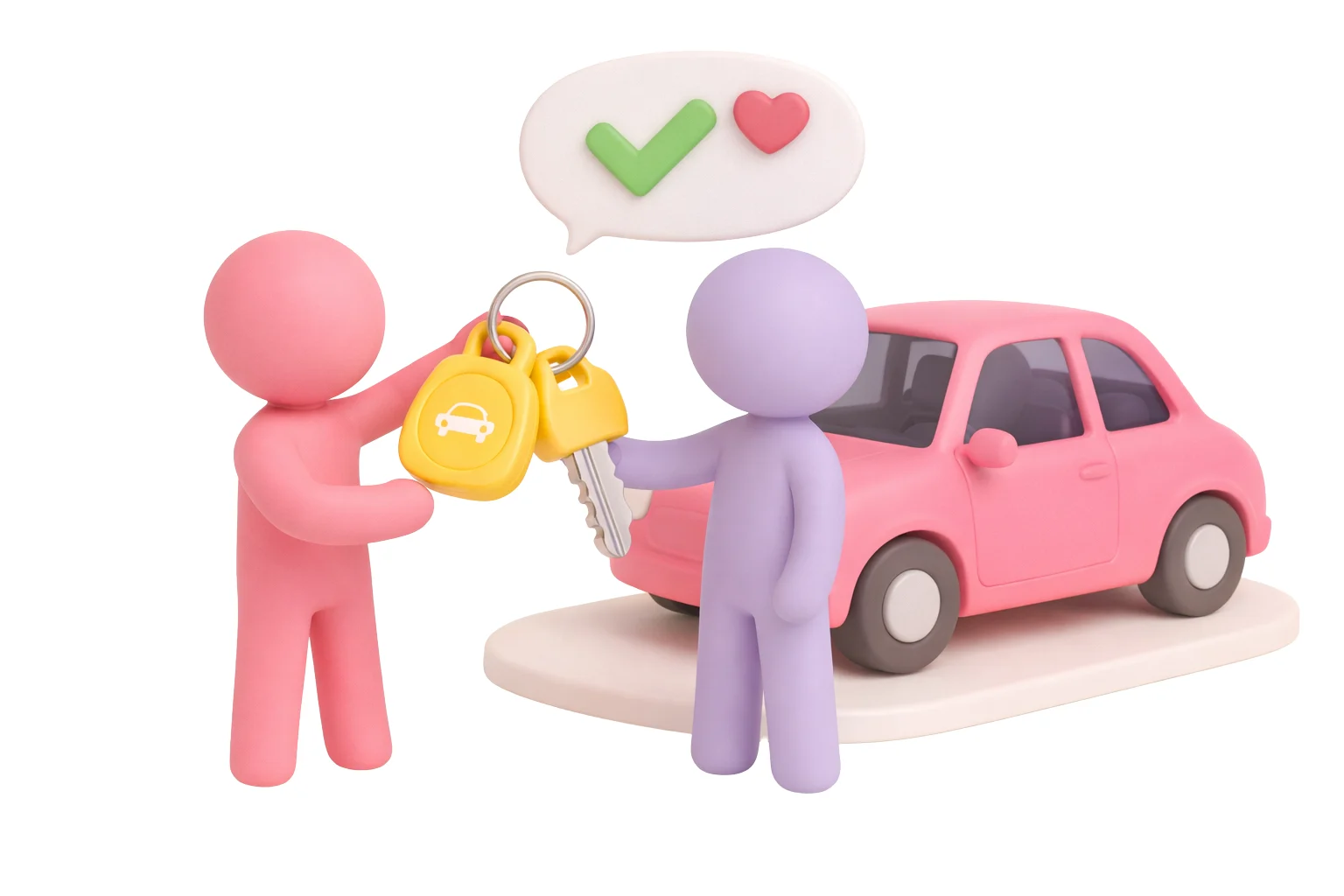
Here’s the key principle to remember: In most cases, car insurance follows the car rather than the driver. This means if someone borrows your car with your permission and gets into an accident, your insurance policy, not theirs, will be the primary coverage for any damages.
Here are a few examples of when you’re covered driving someone else’s car, and when you may not be.
| Covered | Not covered |
|---|---|
| A friend borrows your car occasionally with your permission. | A driver you excluded from your policy uses your car. |
| Visiting relatives use your car for errands. | Someone uses your car without asking. |
Why it matters: When you lend your car, you’re also lending your insurance coverage. Any claims filed will go on your policy and could affect your premiums, even if you weren’t the one driving.
What is permissive use?
Permissive use extends your coverage to anyone you allow to drive your car, even if they’re not listed on your policy. Most major insurers automatically include this.
How permissive use works:
🗣️ Express permission:
You verbally tell someone they can drive your car, hand them the keys or send a text saying “go ahead and take my car”.
🤝 Implied permission:
You hand someone your keys without explicitly saying they can drive.
Why it matters: Most insurers limit permissive use to occasional borrowing, typically fewer than 12 times per year. If someone regularly drives your car, you should add them to your policy.
Follow these tips when borrowing someone’s car
Before you borrow someone’s car, take a few steps to protect yourself and the owner.
If you’re borrowing a car:
✅ Get explicit permission from the owner.
🛡️ Confirm the car is insured.
🔍 Check if you’re excluded from their policy.
📸 Document existing damage with photos before driving.
Key takeaway: Before borrowing a car, get clear permission, confirm it’s insured, make sure you’re not excluded from the policy, and snap photos of any existing damage – just in case.
Make sure you’re properly covered with Jerry
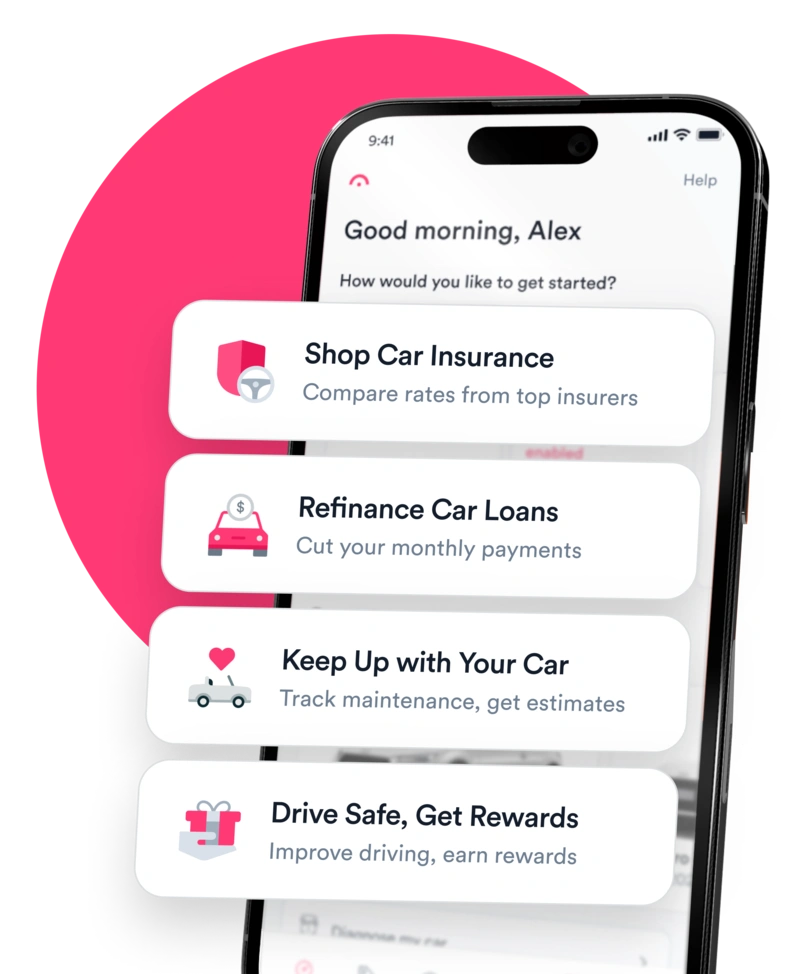
Whether you’re lending your car to a friend or borrowing one yourself, having the right coverage matters. Jerry makes it easy to compare quotes, side-by-side, from over 100 insurers, so you can find the right coverage at the best price.
Jerry also automatically shops for new quotes when your policy is up for renewal so you know you’re getting the right policy without the guesswork.
Find insurance in your state









Important exclusions to be aware of
Permissive use has important limitations. Here are situations where you may not be covered when driving someone else’s car.
✂️ Excluded drivers
If you’ve been specifically excluded from someone’s policy (often to lower their premiums), their insurance will not cover you, even with permission.
🪪 Unlicensed drivers
If you don’t have a valid driver’s license, permissive use doesn’t apply. Insurance companies will deny coverage for unlicensed drivers.
🚨 Driving without permission
Taking someone’s car without their consent (even a family member’s) means their insurance likely won’t cover you.
💼 Commercial or rideshare use
Using a borrowed car for business purposes, like ridesharing, is typically excluded from personal car insurance policies.
🏠 Household members not on the policy
Most insurers require all licensed drivers in your household to be listed on your policy. If a roommate or family member who lives with you isn’t listed, they may not be covered under permissive use.
📝 Named-driver policies
Some policies (often from smaller or non-standard insurers) only cover drivers specifically named on the policy. These “named driver” policies don’t include permissive use at all.
📅 Frequent use
Permissive use is designed for occasional borrowing. If someone drives your car more than about 12 times per year, insurers may deny coverage and require them to be added to your policy.
Key takeaway: Getting someone’s permission doesn’t always mean you’re covered. Excluded and unlicensed drivers, household members not on the policy and frequent borrowers typically aren’t covered when driving someone else’s car.
What happens if I cause an accident in someone else’s car?
If you’re at fault in an accident while driving a borrowed car with permission, here’s how insurance typically works:
- The car owner’s insurance pays first, up to their policy limits, for injuries and property damage you caused.
- Your own insurance may kick in as secondary coverage if damages exceed the owner’s limits.
- The car owner pays their deductible if they have full coverage and need to file a claim for damage to their own car.
- The car owner’s premiums may increase even though they weren’t driving.
If another driver is at fault, their insurance should cover damages. The car owner’s insurance may not need to get involved at all, and neither would yours.
Key takeaway: If you cause an accident in a borrowed car, the owner’s insurance pays first. Your insurance may kick in if damages exceed their limits. If another driver is at fault, their insurance pays.
When to consider non-owner car insurance
If you frequently drive cars you don’t own, whether borrowing from friends, renting, or using car-sharing services, consider getting non-owner car insurance.
Non-owner car insurance is a liability-only policy for people who don’t own a car but regularly drive other people’s. It provides secondary coverage that kicks in if the car owner’s insurance isn’t enough.
Frequently rent cars.
Regularly borrow cars from friends or family.
Want to maintain continuous coverage to avoid a lapse.
Key takeaway: If you frequently borrow or rent, non-owner car insurance gives you secondary liability coverage, plus helps you avoid a coverage lapse that could raise your rates if you ever do buy a car and need a standard policy.
It only takes 2 minutes to sign up at Jerry.
faq
- 🔑 Can someone drive my car if they’re not on my insurance?
- 📈 Does my insurance go up if someone else crashes my car?
- ⚠️ What if the person driving my car doesn’t have insurance?
- 👪 Can I drive my parents’ car if I’m not on their insurance?
- 🚙 Does permissive use apply to rental cars?
- 📋 What’s the difference between being “listed” on a policy vs. permissive use?
- ✂️ Can I exclude someone from driving my car?
Methodology
Statistics, rates and conclusions in this article are based on Jerry’s proprietary database of real-world car insurance quotes, not third-party models or estimates. As a licensed insurance broker in all 50 states, Jerry has firsthand visibility into how quotes are generated and validated, and all data is aggregated and anonymized to protect privacy.
With millions of quotes delivered each year (often multiple offers per driver), our datasets are large enough to avoid bias toward any one region, insurer or driver type. Unless otherwise indicated, quotes shown are from drivers with clean records in the last 12 months. Quotes involving accidents, violations or credit use the last 18 months to ensure a reliable sample.
Editorial integrity
We’re all about balanced, unbiased and helpful content at Jerry. None of our articles are sponsored by advertisers or insurance companies, so you can trust the information we provide. As a comparison platform that works with 100+ insurers, Jerry has no reason to favor one insurer over another. Our job is to help you find the best fit for your situation.
Read Jerry’s car insurance data methodology to learn more about how we collect, verify and share real-world insurance data.

Ben Moore is a writer and editor at Jerry and an auto insurance expert. He previously worked as a writer, editor and content strategist on NerdWallet’s auto insurance team for five years. His work has been published in The Associated Press, Washington Post, Chicago Sun-Times, MarketWatch, Nasdaq and Yahoo News. He also served as a NerdWallet spokesperson, with appearances on local broadcast television and quotes in Martha Stewart and Real Simple magazine.
Ben has an extensive background in digital marketing, working on affiliate and programmatic advertising campaigns for brands like Cabela’s, H&R Block and Sears. He holds a bachelors degree in marketing from Olivet Nazarene University.