The pump feeds pressurized fuel to the engine, meaning even small problems can cause drivability symptoms.
The good news is that after helping 40,000 customers with their car repair and maintenance, Jerry has learned that most fuel pump problems come from just a handful of causes—worn pump motors, clogged strainers, wiring faults or contaminated fuel. Here’s how to recognize trouble, decide how urgent it is and then choose the right repair path.
Unsure whether your symptoms point to the pump or something else? The Jerry AI diagnostic tool can walk you through common causes to give you personalized guidance before booking a repair.
Real customers Jerry has helped
Costs for fixing your fuel pump issue depend on your exact vehicle, where you live and the quality of parts used. With Jerry, you can quickly see what drivers are paying right now. Below are real examples of customers we’ve helped secure top prices for when they need to fix their fuel pump issue.
Estimates are modeled based on real vehicle and location data; names have been changed. Actual prices will vary by shop, parts, and vehicle condition.
Can I keep driving with fuel pump issues?
Fuel pump issues have several root causes and each come with their own level of urgency. Running a quick diagnostic in the Jerry app can help you decide whether to take your car to a shop or not. Here’s a few starting symptoms you’ll likely notice to help accelerate mechanical repairs:
🚨Urgent — Stop driving, get a tow
- The engine stalls repeatedly or won’t start.
- Loud whining noise from the fuel tank paired with loss of power.
- Strong fuel smell or visible leak under vehicle.
- Park in a safe spot and arrange a tow, as fuel leaks are a fire hazard.
🕒Soon — May be able to drive, but repair soon
- Hesitation or stumbling during acceleration.
- Intermittent surging at steady speeds.
- Pump whine is noticeable but the car still runs normally.
- These symptoms suggest the pump is struggling but not yet failing completely–book service promptly.
✅ Monitor — Safe to drive for now
- Soft hum from the tank on startup (normal prime cycle).
- Slightly longer cranking in very cold weather, but no other signs.
Why these symptoms matter: A healthy pump maintains steady fuel pressure. Once pressure drops, the engine may run lean, overheat injectors or cause the engine to stall.
Symptoms (explained with typical fixes)
Plug “buzzing noise”, “hard start”, or “stalls at speed” into the Jerry app for quick guidance on whether it’s a pump, relay or filter issue.
How fuel pumps work—and why they fail
Electric pumps use a small motor and impeller to draw fuel into a sock-style strainer, pressurize it, and then send it through lines to the fuel rail. A built-in regulator or an external module keeps pressure steady as engine demand changes.
Reasons pumps quit:
- Wear and tear: Fuel pump motors spin thousands of times a minute and eventually wear out, especially if run dry.
- Clogged stainer or filter: Dirt or rust restricts flow, making the pump work harder.
- Contaminated fuel: Water, rust or sediment from poor-quality fuel can damage internal parts.
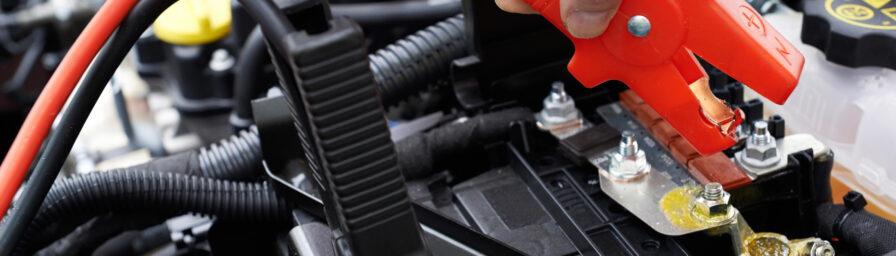
- Electrical issues: Weak battery voltage, corroded connectors or a bad relay can mimic pump failure.
- Low fuel level: Allowing your fuel level to fall below a quarter tank allows the pump to overheat and suck the trash from the bottom of the tank, shortening its life.
Pro tip: Some modern vehicles use a pulse-width-modulated pump controlled by a separate driver module. A failed module can mimic a faulted pump, so testing voltage before replacing parts is essential.
Risks of ignoring fuel pump issues
Unexpected stalling: A failing pump can quit without warning.
Engine damage: Low fuel pressure can make the engine run too lean, harming valves, pistons and catalytic converters in the process.
Chain reaction repairs: A clogged strainer can pull debris into fuel injectors, multiplying the repair bill.
DIY vs. Pro: Can I do this repair myself?
There are some minor glitches that can cause fuel pump issues. However, data from Jerry customers shows most root sources should be diagnosed and repaired by a professional mechanic.
DIY-friendly checks:
- Inspect fuel-pump fuses and relays in the power distribution box.
- On vehicles with test ports, use a fuel pressure gauge to verify the pressure matches spec.
- Check battery voltage and pump wiring for corrosion.
- Safety note: Work in a well ventilated area away from sparks and flames, as fuel is flammable.
Leave to a pro:
- Replacing the in-tank pump (requires draining/removing the fuel tank).
- Diagnosing returnless systems or variable-speed pumps controlled by a module.
- Cleaning or replacing fuel injectors if debris entered the system.
- Current draw tests with an oscilloscope to judge pump health.
Prevention tips:
Keep at least ¼ tank of fuel to cool and lubricate the pump.
Replace the fuel filter at manufacturer intervals (sooner in dusty areas). You can track your repair intervals in the Jerry app to make sure your filter maintenance is done consistently.
Use a quality fuel system cleaner periodically to prevent varnish buildup.
Address misfires (P030x) or lean codes (P0171/P0173) quickly—low fuel pressure can damage injectors.
Pro tip: When storing a vehicle, fill the tank and add a fuel stabilizer to prevent corrosion and varnish that can clog the pump.
Ready to compare prices without calls? Get local quotes in minutes with the Jerry app.
Instead of assuming it was the pump again, I retraced the last tech’s steps and found that the connector at the top of the fuel tank was a little discolored. Pulling it apart, I found that a poor connection was heating up the terminals to the point where the metal expanded, essentially disconnecting the terminals. The loose terminal became an open circuit, stopping fuel pump function. In this case, the vehicle harness side fuel pump connector had to be replaced to repair the vehicle properly.
Sometimes a “bad pump” diagnosis can just be a wiring issue hidden in plain sight.

What our customers are asking us
-
How long should a fuel pump last?
-
Can I keep driving with a noisy fuel pump?
-
Is it safe to replace a fuel pump myself?
-
Will running premium fuel prevent pump wear?
-
Does a clogged fuel filter hurt the pump?

Jerel Lawrence is an experienced and certified automotive technician with a strong foundation in diagnostics, repair and technical mentorship. A graduate of NASCAR Technical Institute in 2010, Jerel began his career at national automotive repair chain locations, where he earned eight certifications from the National Institute for Automotive Service Excellence (ASE).
From 2017 to 2022, he worked as a General Motors-certified technician at a Cadillac dealership, refining his skills in manufacturer-specific diagnostics and service procedures. Today, Jerel leads as the senior technician and mentor at a family-owned repair facility, where he helps guide the next generation of technicians while ensuring top-quality service.
In addition to hands-on work, Jerel contributes to the automotive community through writing detailed articles and answering technical questions to help vehicle owners better understand and care for their cars.

Everett Cook is an award-winning journalist and editor with more than 10 years of experience across a variety of industries. In editing for Jerry, Everett’s mission is to help readers have a better understanding of the costs of owning or leasing a car and to better understand their vehicle in terms of insurance and repairs. Prior to joining Jerry, Everett was an editor for Axios. His previous work has been featured in The New York Times, The Los Angeles Times, The San Francisco Chronicle, The Atlantic, Atlantic Re:think, The Boston Globe, USA Today, and others. He’s also been a freelance writer and editor with experience in SEO, audience building, and long-term content roadmaps. Everett is a proud graduate of the University of Michigan.