Jerry is your proactive car insurance assistant. We help you compare personalized quotes side-by-side from 50+ top insurers, explain coverage in plain English, and switch policies in minutes. No bouncing between sites. No pressure to buy. Just clear options, expert guidance when you want it, and a seamless way to get covered.
-
Read about our editorial standards here.
Texas Home Insurance: Costs, Coverage and How to Save
-
Get personalized options in minutes.
-
Buy, bundle and switch right in the app.
-
Licensed agents are ready to help if you need them.

Texas faces more types of severe weather than almost any other state, from hurricanes along the Gulf Coast to hailstorms across North Texas and tornadoes statewide, making home insurance both essential and highly variable depending on where you live.
Bundling your home and car insurance is easy with Jerry. It’s free to compare quotes and we’ll help you switch insurers once you’re ready, all online. Plus, our licensed agents are just a call away if you’d rather talk to a real person.
Based on cheapest quotes shown for all Jerry customers in the last 12 months. Savings depend on coverage and other factors. Potential savings will vary.

Bundle home + car and save up to 40%.
What Texas homeowners pay right now
Home insurance costs in Texas depend heavily on your home’s location and rebuild cost, your claims history and other factors like your exposure to hurricanes, hail and severe storms in your area.
Based on home insurance quotes for Jerry customers in the last 12 months. Savings depend on coverage and other factors. Potential savings will vary.
Jerry can help you find the best price and coverage regardless of where in Texas you call home. Take a look at some recent examples below of real customers who saved by bundling their home insurance with Jerry:
Recent bundling quotes
Based on Jerry customers who found savings in the past 45 days. Savings depend on coverage and other factors. Potential savings will vary.
Key takeaway: Home insurance rates in Texas vary widely by location, but comparing quotes can help you find a better rate.
Mix and match home and car insurance with Jerry
One of the smartest ways to bring down your home insurance costs in Texas is bundling with your car insurance. Pairing home and auto coverage with the same carrier can save you significantly. Depending on the insurer, bundling discounts could range from 5%-25% and up to 40% off both policies combined if you bundle with Jerry.
But here’s what makes Jerry different: You don’t have to use the same insurer for both.
Jerry’s mix-and-match approach lets you pair the best home insurance rate with the best auto insurance rate, even from different carriers. So you’re never stuck overpaying on one policy just to get a bundle discount on the other.

Mix and match with Jerry to build your perfect bundle.
Best home insurance in Texas
There’s no single “best” home insurance company in Texas. It comes down to your home, your budget and what kind of coverage you need. For example, homeowners along the Gulf Coast near Houston or Corpus Christi may need separate windstorm coverage, while those in Dallas or Fort Worth should pay close attention to hail and tornado protection.
That said, our data shows some clear trends among Texas homeowners. Here are the most popular home insurance companies Jerry customers pick:
Based on home insurance quotes for Jerry customers in the last 12 months. Savings depend on coverage and other factors. Potential savings will vary.
Why the variety? Texas homeowners prioritize different things. Some want the lowest premium, many care most about fast claims handling after a storm, and others look for strong digital tools or local agent support.
Also check: The best car insurance in Texas
Jerry recommends: The easiest way to find the right coverage is to compare home insurance quotes in the Jerry app. We find competitive quotes from top carriers in minutes, so you can find the best coverage at the right price.
Factors that affect home insurance costs in Texas
From Gulf Coast hurricanes to North Texas hailstorms, where and what you own in Texas plays a huge role in what you pay. Here’s what drives premiums the most and how to protect yourself.
🌀 Hurricanes and tropical storms
Texas’s Gulf Coast stretches hundreds of miles, putting cities like Houston, Galveston, Corpus Christi and Beaumont squarely in the path of tropical storms and hurricanes. In the 14 designated coastal counties, standard homeowners policies often exclude wind and hail damage, requiring separate coverage through the Texas Windstorm Insurance Association or a private surplus lines insurer.
🌪️ Hailstorms and tornadoes
Texas leads the nation in both hail and tornado activity. North Texas, including the Dallas-Fort Worth metroplex, is particularly exposed to severe convective storms that can shred roofs and siding in minutes. Hail damage is one of the most common home insurance claims in the state, and it directly impacts premiums across the region.
🌊 Flooding
Flooding is a major risk across Texas, not just on the coast. Flash floods, overflowing rivers and bayous, and heavy rainfall events affect communities from Houston’s bayou network to the Hill Country and Central Texas. Standard homeowners insurance does not cover flood damage. You’ll need a separate flood policy through the National Flood Insurance Program or a private insurer.
🔥 Wildfires
West and Central Texas face growing wildfire risk, especially during dry, windy conditions. Areas around the Texas Panhandle, Hill Country and parts of West Texas are most vulnerable. Homes near open brush and grassland may face higher premiums or need additional coverage considerations.
💨 The coastal windstorm coverage gap
If you live in one of Texas’s 14 first-tier coastal counties or east of Highway 146 in Harris County, your standard homeowners policy likely excludes wind and hail. You’ll need a separate windstorm policy, either through the Texas Windstorm Insurance Association or a private insurer. Your home must be certified as meeting windstorm building codes to qualify for TWIA coverage.
Key takeaway: Texas homeowners face a wide range of weather threats, from hurricanes and hail to flooding and wildfires. Knowing which risks apply to your area helps you build the right coverage.
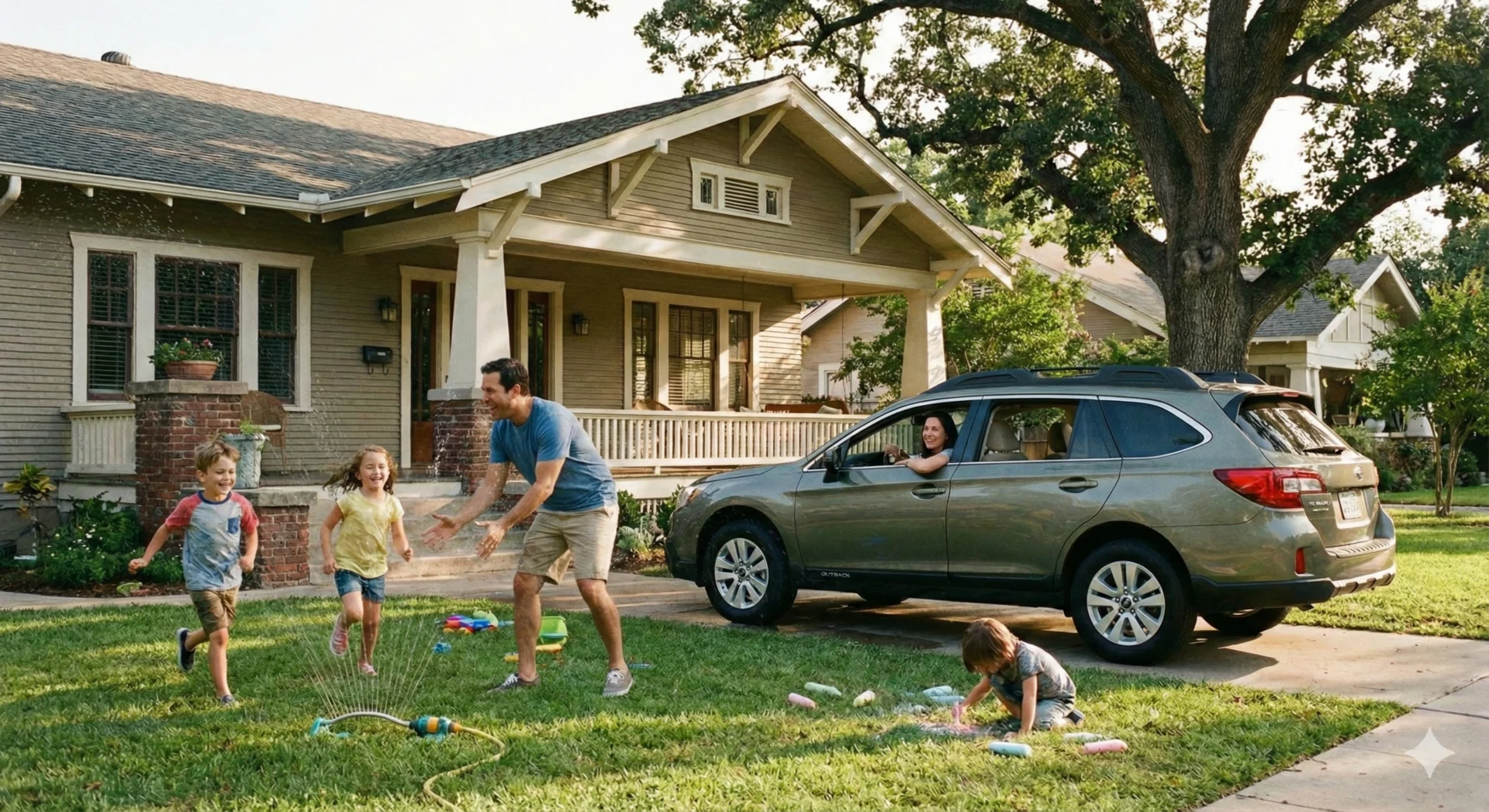
Get bundling quotes in minutes, no calls needed.
Get the right coverage without overpaying
For Texas homeowners, choosing the right coverage levels can save you money while making sure you’re protected when it counts.
Dwelling coverage is the backbone of your home insurance policy. It covers the cost to repair or rebuild your home’s structure if it’s damaged by covered events like fire, wind, hail, lightning or vandalism. Your dwelling coverage should match your home’s rebuild cost, not its market value. Jerry can estimate your replacement cost right in the app, so you’ll know you’re covered for the right amount.
Here’s what Texas homeowners typically pay based on their home’s rebuild value:
$150-299k dwelling coverage
Typical for smaller homes, condos or older properties.
$300-499k
dwelling coverage
Covers most mid-range Texas homes.
$500-749k
dwelling coverage
Typical for larger or newer suburban homes.
$750k-1M
dwelling coverage
Common for high-value properties.
Key takeaway: Your dwelling coverage should match your home’s rebuild cost, not its market value. Jerry shows you real-time pricing at every level so you can find the right balance.
Learn more: What does home insurance cover?
4 ways to save on home insurance
Bundling is one of the most effective ways to lower your premium, but it’s far from the only option. Texas homeowners have several ways to bring down costs without sacrificing coverage. Here are four worth looking into.
Jerry Agent Tip 1: Compare quotes from multiple insurers
Every insurer prices Texas homes differently, which means the same property can cost more with one carrier than another. Comparing quotes side-by-side with Jerry is the fastest, most effective way to find a better rate.
Recent quotes
Why it matters: Two homeowners in San Antonio or Austin with similar homes can still pay very different rates. Jerry shows you quotes side-by-side to help you find coverage that fits your home and budget.
Jerry Agent Tip 2: Stack discounts for a cheaper rate
From paying your premium in full to installing a security system, most homeowners qualify for at least a few discounts, and stacking them could result in some serious savings off your base rate. But insurers don’t always apply them automatically.
Jerry finds the discounts you’re eligible for, so no savings slip through the cracks.
Besides bundling, here are some common Texas home insurance discounts:
🔒 Security system discount
Installing safety devices like alarms, smart home systems and deadbolts can qualify you for a lower rate. Many carriers offer protective device discounts of up to 15% when you combine security systems like advanced burglar protection and automatic water leak valves.
🆕 New home discount
Newer homes are less likely to have costly claims, and insurers reward that. Depending on the carrier, homes built within the last 10 to 15 years may qualify for savings of up to 15% for the first year you’re with an insurance company.
💨 Wind mitigation discount
In a state as storm-prone as Texas, roof upgrades, storm shutters and reinforced connections can earn significant credits. Coastal homeowners with TWIA policies can receive premium credits for homes certified as meeting recent windstorm building codes. Even inland, carriers may offer discounts for impact-resistant roofing and other wind-resistant features.
🎓 Claims-free discount
The longer you go without filing a claim, the more you save. Most insurers offer this discount after three or more claims-free years, with some offering savings of up to 20%.
🔧 Home renovation discount
Updated your electrical, plumbing or roof? Some carriers offer discounts when these systems have been replaced within the last 10 to 15 years, since modern systems reduce the risk of fire and water damage. A new roof is especially impactful in Texas, where hail damage drives so many claims.
🏡 HOA or gated community discount
If your home is in a homeowners association or gated community, you may qualify for a lower premium. Insurers view these properties as lower risk due to added security and regular maintenance.
⏳ Loyalty discount
Staying with the same insurer year after year can lead to increasing savings. Some carriers start rewarding loyalty after just one year, with discounts growing the longer you stay. But it never hurts to shop around when your policy is up for renewal.
📋 Quote-in-advance discount
Shopping early can pay off. Some insurers offer a discount of up to 15% when you get a quote before your previous policy expires.
🚭 Non-smoker discount
Since smoking increases the risk of house fires, some carriers offer lower rates to non-smoking households.
Key takeaway: Most homeowners qualify for multiple discounts, from bundling and wind mitigation to claims-free credits. Insurers don’t always apply them automatically, so asking about every discount you’re eligible for could add up to significant savings.
Jerry Agent Tip 3: Pick the right deductible
Your deductible, the amount you pay out of pocket before insurance kicks in, has a direct impact on your premium. According to the Insurance Information Institute, raising your deductible from $500 to $1,000 can reduce your premium by 10 to 25%, depending on your location, insurer and home’s replacement cost.
In Texas, many policies also use percentage-based deductibles for wind and hail, typically 1% to 2% of your dwelling coverage amount. That means on a $300,000 home, your wind/hail deductible could be $3,000 to $6,000. Make sure you know what both your standard deductible and any separate wind or hail deductible is before storm season starts.
To find the right balance:
- Check what you can afford out of pocket. If a $2,000 expense after a storm would be manageable, a higher deductible could save you hundreds a year. If it would strain your budget, stick with a lower one.
- Think about how often you’d actually file a claim. Most homeowners only file a claim once every 8 to 10 years, so the premium savings can add up long before you ever pay that deductible.
The Jerry difference: Jerry lets you compare quotes for different deductible amounts to see exactly how it affects your home insurance costs.
Jerry Agent Tip 4: Improve your credit score
In Texas, insurers can use credit-based insurance scores to help determine your premium. Texas law allows this practice but has some of the strongest consumer protections in the country around how it’s used. An insurer cannot refuse to sell you a policy or cancel your coverage based solely on your credit. Still, homeowners with good or excellent credit often pay significantly less than those with fair or poor credit. Improving your credit isn’t an overnight fix, but even gradual improvements could lead to a lower rate at your next renewal.
To boost your credit score, focus on paying bills on time, keeping credit card balances below 30% of your limit and avoiding new credit applications before shopping for insurance. Building your credit score takes time, but most people see meaningful improvement within 3 to 6 months of consistent on-time payments and lower balances.
Worth knowing: Texas law requires insurers to make exceptions if your credit was hurt by events like a divorce, temporary job loss, identity theft or the death of a spouse or parent. You can request an exception in writing from your insurer.
If your credit isn’t where you want it to be, don’t worry. Some insurers weigh credit less heavily than others, and Jerry can show you which carriers offer the best rates for your situation.
Key takeaway: The better your credit score, the lower your premium typically will be. Texas has strong protections around how credit is used, and shopping around with Jerry can help you find a competitive rate regardless of your credit history.

Compare home + car bundles in one place, all online.
FAQ
-
💰 How much does home insurance cost in Texas?
-
🤔 Is home insurance required in Texas?
-
🌀 Do I need separate windstorm insurance in Texas?
-
🌊 Does Texas home insurance cover flooding?
-
🏖️ What is the Texas Windstorm Insurance Association?
-
🛡️ What is the Texas FAIR Plan?

Ben Moore is a writer and editor at Jerry and an auto insurance expert. He previously worked as a writer, editor and content strategist on NerdWallet’s auto insurance team for five years. His work has been published in The Associated Press, Washington Post, Chicago Sun-Times, MarketWatch, Nasdaq and Yahoo News. He also served as a NerdWallet spokesperson, with appearances on local broadcast television and quotes in Martha Stewart and Real Simple magazine.
Ben has an extensive background in digital marketing, working on affiliate and programmatic advertising campaigns for brands like Cabela’s, H&R Block and Sears. He holds a bachelors degree in marketing from Olivet Nazarene University.