
Key Takeaways
- Know your state’s minimum requirements and decide what your bike, your gear and your upgrades need before you start shopping.
- Price is important but make sure you have enough coverage for your bike and situation. Consider full coverage if your bike is financed or expensive to replace. Also check the carrier’s financial rating, claims reputation and rider-specific options like custom parts and safety gear.
- Lower your premium by comparing quotes at every renewal, taking a safety course, using a lay-up period instead of canceling and bundling with your car insurance.
- Jerry is the only app that lets you compare motorcycle insurance quotes side by side and buy your policy directly in the app. We’ll also monitor the market and alert you when it’s time to reshop.
Shopping for motorcycle insurance means comparing quotes from a few different insurers so you can find the right coverage at a price that works for you. Done the old way, that means visiting one insurer’s site at a time and re-entering your bike’s details at every stop, which can eat up an afternoon. And there are even some carriers that will ask you to finish the quote over the phone.
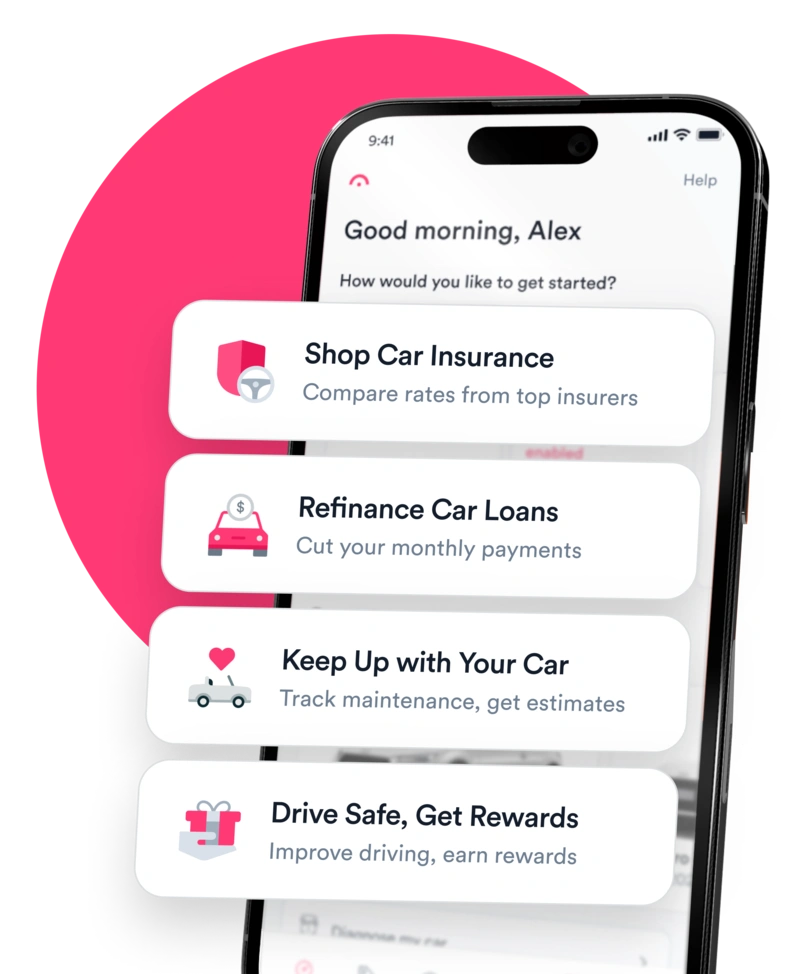
Jerry makes it simpler. You answer a few questions once, compare motorcycle quotes side by side in minutes and buy your policy right in the app. Jerry also monitors the market for you over time and matches you with discounts you qualify for, so the savings keep coming after you buy.

See motorcycle quotes side-by-side with Jerry.
What to know before you start shopping
Before you request quotes, you should know what coverage your state requires and any extra protection you may need for your personal situation.
Almost every state requires riders to carry a minimum amount of liability insurance, often referred to as “state minimum”. These limits are usually similar to what’s required for cars.
It’s important to remember that liability coverage only pays for injuries or property damage you cause to others. To protect yourself, your bike and your gear, you’ll need additional coverage.
Here’s a breakdown of the different types of motorcycle insurance coverages and whether you need them.
Key takeaway: To decide how much coverage you need, know your state’s minimum requirements first, then think about what the bike is worth, upgrades you’ve done and what you’re wearing when you ride.
How to shop for motorcycle insurance in five steps
Whether you’re insuring your first bike or reshopping at renewal, these five steps will help you land the right policy without overpaying.
Step 1. Figure out how much coverage you need
Your state’s minimum liability requirement is the legal floor, but it’s important to note that it won’t pay for your own injuries or bike damage. To determine how much coverage you need, ask yourself:
- What would it cost to replace your bike? If that number is more than you could afford out of pocket, consider adding comprehensive and collision coverage.
- What have you added to it? If you’ve done any upgrades you’ll likely need custom parts coverage.
- What happens if an uninsured driver hits you? More than one in seven U.S. drivers are uninsured, according to the Insurance Research Council. A crash with one of these drivers tends to hurt you more than it would in a car, which is why it’s worth considering adding uninsured motorist and medical payments coverage.
A good rule of thumb is to buy as much coverage as you can comfortably afford. Moving from just minimum coverage to full coverage with higher limits often costs less than riders expect. When you compare through Jerry, you can adjust your coverage levels in the app and watch the price update right away, so you’re not guessing.
Jerry recommends: Don’t just default to your state minimum. We suggest liability limits of at least 100/300/100, which means $100,000 per person and $300,000 per crash for injuries plus $100,000 for property damage.
Step 2. Gather your information
Having a few details ready makes every quote faster.
🪪 Your driver’s license number and motorcycle endorsement status.
🔢 Your bike’s VIN, or its year, make and model.
🔧 A list of modifications and accessories, with rough values. Upgrades you don’t mention won’t be covered.
📄 Your current insurance details, if you have a policy now, including your limits and price.
🏍️ Your riding history, including any accidents or violations in the last three to five years, on any vehicle.
🎓 Safety course certificates, such as an MSF course completion card, which earns a discount with most carriers.
🏠 How and where you store the bike. If you park your bike in a locked garage you’ll likely pay less than if it’s parked on the street.
Why it matters: Quotes are only as accurate as the information you provide. Having everything ready up front means the quotes you compare stay close to the final price you pay.
Step 3. Compare quotes from at least three insurers
Every insurer uses its own pricing formula, and can look at bike type, engine size, rider age and theft risk in very different ways. The result is that two companies can quote the same rider on the same bike at different prices. Getting at least three quotes helps you understand what the market price for your situation actually is.
Jerry shows you motorcycle quotes from multiple insurers side by side, so instead of spending hours collecting them one at a time, you get them in minutes. And your data is always protected by our DataLock Guarantee, which uses bank-level encryption and ensures your information won’t be shared or sold for marketing purposes.
Why it matters: Two carriers can quote the same rider and the same bike at very different prices. Comparing at least three quotes is a great way to know whether the price in front of you is a good deal or not.
Step 4. Look beyond the price tag
The cheapest quote isn’t always the best one, and for riders the differences often hide in the details. Here’s what to look for:
- Rider-specific coverage. For example, does the carrier offer custom parts coverage at the limits you need? A policy that looks cheap but doesn’t have the coverages you need can end up costing you more if you’re in an accident.
- Financial strength. Companies rated A or higher by AM Best are considered financially stable and well positioned to pay out claims.
- Claims reputation. Read reviews on how the insurer handles motorcycle claims, including how it values bikes and aftermarket parts. Your state’s department of insurance also publishes complaint data.
- Available discounts. Safety course, anti-theft, riding association, multi-bike and bundling discounts vary a lot by carrier, and they aren’t always applied automatically.
The Jerry difference: Not sure which policy is right for you? Jerry’s licensed agents are a chat or phone call away, seven days a week.
Learn more: The best car insurance companies
Step 5. Review your policy before you buy
Before you finalize the purchase, double-check that your coverage limits, deductibles and declared modifications are correct, and that every discount you’re eligible for shows up in the final price. If you store your bike in winter, review the lay-up terms now so you understand how pausing coverage works.
Always make sure your new policy starts before your old one ends. Even a one-day lapse in coverage can raise your rates for years and may break your state’s rules. If you buy through the Jerry app, Jerry handles the switch so there’s no gap in your coverage.
Key takeaway: Compare at least three quotes with identical coverage, confirm the carrier handles motorcyclists well and time your switch to avoid a coverage lapse.
How to shop for motorcycle insurance with Jerry
Jerry lets you compare motorcycle insurance quotes and buy your policy right in the app, and we’re the only company that offers this. Here’s how it works.
- Compare quotes. Answer a few questions once, and Jerry pulls up side-by-side motorcycle quotes from top carriers in minutes. No long forms, no phone calls and no waiting on hold.
- Customize your coverage. Adjust your limits, deductibles and add-ons like custom parts coverage, and see exactly how each choice changes your price.
- Buy entirely online. Found your policy? Purchase it in the app. Jerry never sells your data, protected by bank-level security, so shopping doesn’t mean signing up for spam.
- Get help when you want it. Jerry’s licensed agents are available seven days a week by chat or phone for any coverage questions, from custom parts limits to lay-up periods.
- Stay protected over time. Jerry monitors the market and lets you know when it’s time to reshop.
Why your quote can change during the shopping process
A motorcycle quote is an estimate, not a final price, so seeing it shift slightly at checkout is normal. Carriers start with the details you provide, then verify your claims history, credit-based insurance score and DMV record in stages, and your driving violation history is the biggest factor that can change your final price.
The best way to keep your quote close to your final rate is to provide complete, accurate information from the start and use the same limits and deductibles across carriers for an apples-to-apples comparison. Your rate isn’t locked in forever, so reshop at every renewal and after big changes like moving or buying a new bike, and Jerry will monitor market rates and tell you when it’s time.
Key takeaway: A quote could change because the carrier verified your details and found new information. The more accurate you are from the start, the closer your final price stays to that first estimate, so it’s best to be upfront about all of your details, including any violations or accidents.
What factors affect your motorcycle insurance quote
Insurers look at a mix of things to set your rate, and some of them you can influence while others you can’t.
Key takeaway: Some rate factors are out of your hands, but the bike you choose, where you store it, whether you take a safety course and your deductible are all yours to control.
How to save money when shopping for motorcycle insurance
A few simple moves can bring your premium down, whether you’re buying your first policy or renewing one you’ve had for years.
🏍️ Take a safety course
An approved motorcycle safety course earns a discount with most carriers and helps build skills that keep you out of accidents.
🚗 Bundle with your car insurance
Insuring your bike and your car together usually earns a multi-policy discount.
💰 Raise your deductible
A higher deductible lowers your premium. Pick the highest amount you could comfortably pay out of pocket.
❄️ Use a lay-up period instead of canceling
If your bike sits idle in winter, you can pause your collision and liability coverage during storage months while keeping comprehensive active, called a lay-up period.
🏷️ Ask about every discount
Discounts for anti-theft devices, riding association membership, multi-bike policies, paying in full and being a safe rider all exist, and not all of them are applied automatically. When you quote through Jerry, those discounts are already built into the prices you compare.
Key takeaway: Discounts can add up. A safety course, bundled policy, higher deductible and a winter lay-up can lower your overall rate. Plus, if you shop with Jerry we’ll find the discounts you qualify for.

Get covered and ride confident with Jerry.
FAQ
- How often should I shop for motorcycle insurance?
- Does my car insurance cover my motorcycle?
- When is the best time to buy motorcycle insurance?
- Does getting motorcycle insurance quotes hurt my credit?
- What information do I need to get a motorcycle insurance quote?

Ben Moore is a writer and editor at Jerry and an auto insurance expert. He previously worked as a writer, editor and content strategist on NerdWallet’s auto insurance team for five years. His work has been published in The Associated Press, Washington Post, Chicago Sun-Times, MarketWatch, Nasdaq and Yahoo News. He also served as a NerdWallet spokesperson, with appearances on local broadcast television and quotes in Martha Stewart and Real Simple magazine.
Ben has an extensive background in digital marketing, working on affiliate and programmatic advertising campaigns for brands like Cabela’s, H&R Block and Sears. He holds a bachelors degree in marketing from Olivet Nazarene University.