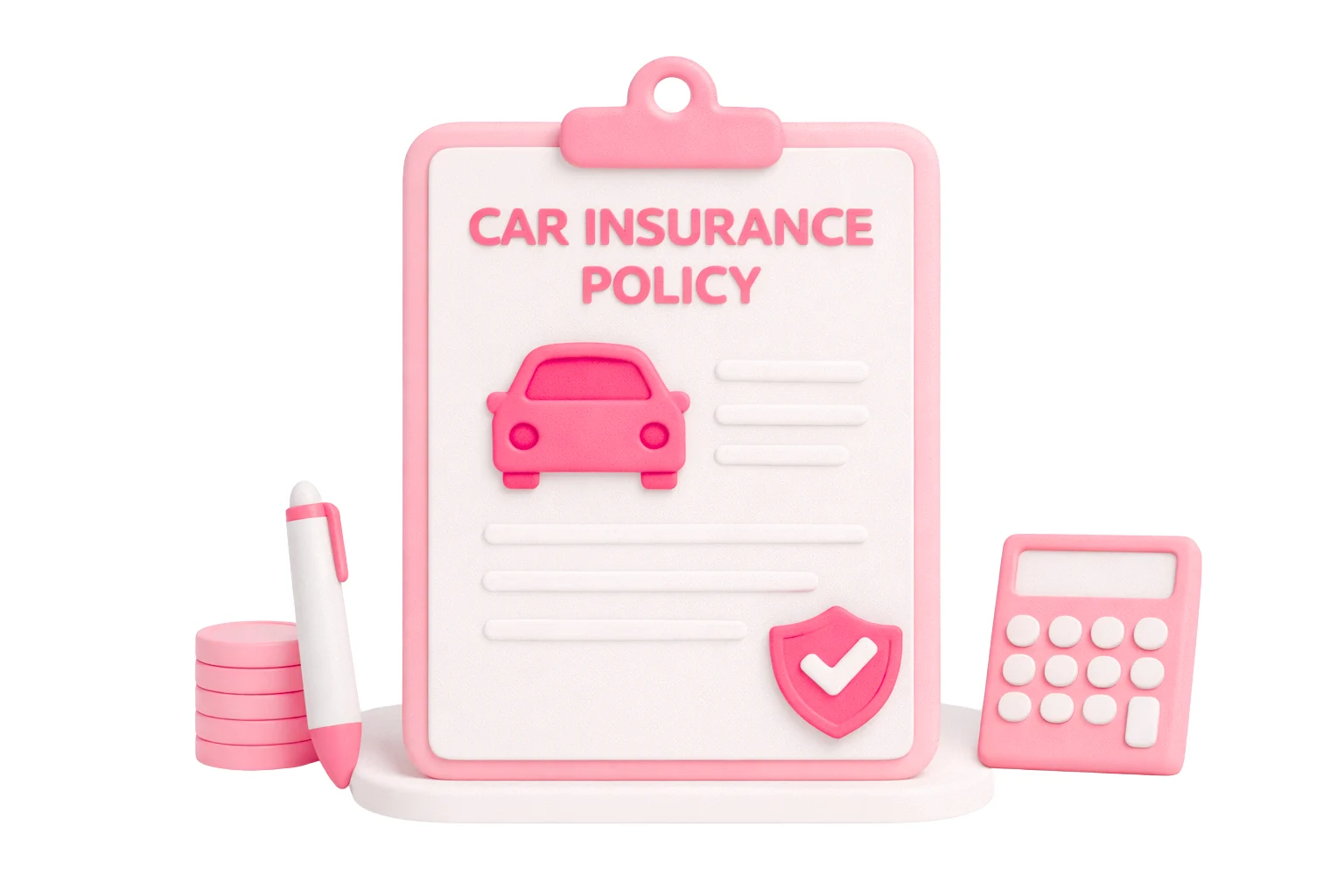


Most drivers need at least 100/300/100 in liability insurance, full coverage for newer cars and uninsured motorist coverage to adequately protect themselves and their finances.
It’s important you get enough coverage for your personal situation, because car insurance is your financial safety net if an accident happens. Think of it as buying peace of mind. The more coverage you have, the less you’ll pay out of your own pocket if something goes wrong.
Jerry has helped 163,648 number of drivers get car insurance in the last year, so they’re financially protected on the road. Here’s what to know.
Jerry pulls up to 20 quotes from top rated carriers.
Here’s the coverage most drivers need
Your car insurance should protect your assets, like your home and savings. If you don’t have the right amount of coverage, or none at all, you could be at risk of losing them if you’re in a bad crash.
Here’s Jerry’s recommendation for most drivers:
This coverage pays for others’ injuries and property damage if you cause an accident. Most states require 25/50/25 in liability insurance, but the more you can afford to buy, the better. We recommend drivers to consider limits of at least 100/300/100, which means:
- $100,000 in bodily injury liability, per person.
- $300,000 in bodily injury liability, per accident.
- $100,000 in property damage liability, per accident.
🚗 Comprehensive and collision coverage
These coverage types are typically called full coverage. It’s required for financed cars, but also smart for any car worth over $5,000. It pays for damage to your own car after you pay your deductible.
This pays for your own injuries and property damage if you’re hit by an uninsured driver, or one whose liability limits aren’t high enough to cover your full costs. We recommend drivers to consider getting enough coverage to match their liability limits.
Key takeaway: Most drivers should consider liability limits of 100/300/100, full coverage for cars worth over $5,000, and uninsured motorist coverage that matches their liability limits.
Compare coverage levels to find how much you need
Still unsure? Use Jerry to compare different coverages, limits and deductibles to find the right balance of financial protection for your budget.
Here are common coverage tiers you’ll see when comparing quotes with Jerry.
Minimum
$77 – $176 per month
Meet’s the state liability requirements, but won’t cover your own car.
Full
$161 – $356 per month
Adds collision and comprehensive, often required if you finance or lease your car.
Standard
$189 – $433 per month
Includes full coverage, plus uninsured motorist coverage.
Preferred
$211 – $474 per month
Includes higher liability limits, lower deductibles and extras like towing or rental reimbursement for top protection.
Based on Jerry customers with clean driving records who found savings in the past 12 months. Savings depend on coverage and other factors. Potential savings will vary.
Get the car insurance you need with Jerry
Finding the right coverage doesn’t need to be complicated. Jerry makes it easy to compare quotes for all coverage limits from top insurance companies. And we do it in minutes, without any long forms or phone calls.
Simply answer a few quick questions and Jerry will show you personalized, side-by-side quotes for the coverage you actually need. Plus, Jerry keeps track of market rates and lets you know when you should reshop.
Find insurance in your state









Liability insurance is legally required
Liability insurance is legally required in every state except New Hampshire.
However, state minimums are often too low. One accident with injuries can cost over $160,000, according to the National Safety Council. If you can afford it, higher liability limits can protect you from paying out-of-pocket.
Increasing your liability limits doesn’t need to cost much more, either.
Here’s what Jerry customers pay for different liability limits:
| Liability limits | Cost |
|---|---|
| 25/50/25 | $75 – $193/mo |
| 100/300/100 | $81 – $211/mo |
Why it matters: If your state requires $25,000 per person for injuries, but you cause an accident resulting in $75,000 in medical bills, you’re personally responsible for the $50,000 difference.
Get full coverage if you drive a newer car
Full coverage pays for damage to your own car, regardless of fault. It combines liability insurance with comprehensive and collision coverage and comes with a deductible, which is the amount you pay before insurance covers the rest. In the last year, Jerry customers paid between $179 to $414 per month for full coverage. Costs typically vary based on factors such as driver profile, location, type of car and more.
You should consider full coverage if you:
-
Have a car loan or are leasing.
-
Drive a car worth more than $5,000.
-
Can’t afford to replace your car if it’s totaled.
-
If you live in area prone to severe weather or theft.
Jerry recommends: Choose the highest deductible you could comfortably afford to pay should you ever file a claim. The higher your deductible, the lower your car insurance premium.
Uninsured motorist coverage protects you from other drivers
Uninsured coverage (UM) pays for your injuries or property damage if you’re in an accident with an at-fault driver who either doesn’t have car insurance, or has very low liability limits.
It’s required in some states, but Jerry recommends considering it even if it’s not required and to match your liability limits.
Why it matters: 1 in 7 drivers are uninsured according to the Insurance Research Council, and many more only have minimum coverage. If you’re hit by one of these drivers without UM, you’ll have to pay out of pocket for your damages.
Additional coverage types to consider
Beyond the recommendations above, there are a few other coverages worth knowing about. Depending on how you financed your car or which state you live in, these coverages can fill gaps in your car insurance.
- What it covers: The difference between what you owe on your car loan and what it’s worth if totaled.
- Who needs it: Anyone who owes more on their loan than their car is worth.
🏥 Personal injury protection (PIP)
- What it covers: Medical bills, lost wages and essential services for you and passengers, regardless of fault.
- Who needs it: Drivers who live in no-fault states.
💊 Medical payments coverage (MedPay)
- What it covers: Medical expenses after any accident, regardless of fault.
- Who needs it: Recommended if you want coverage for medical expenses beyond what your health insurance covers. Consider limits equal to your health insurance deductible.
Key takeaway: Gap insurance is smart if you’re underwater on your car loan, while PIP is required in no-fault states. MedPay can cover your health insurance deductible if you’re injured in an accident.

It only takes 2 minutes to sign up at Jerry.
faq
-
📋 Should I just get the minimum car insurance required in my state?
-
🛡️ What’s “full coverage”?
-
💰 How much liability should I have?
-
📅 How often should I review my coverage?
-
⚠️ What happens if I don’t have enough coverage?
Methodology
Statistics, rates and conclusions in this article are based on Jerry’s proprietary database of real-world car insurance quotes, not third-party models or estimates. As a licensed insurance broker in all 50 states, Jerry has firsthand visibility into how quotes are generated and validated, and all data is aggregated and anonymized to protect privacy.
With millions of quotes delivered each year (often multiple offers per driver), our datasets are large enough to avoid bias toward any one region, insurer or driver type. Unless otherwise indicated, quotes shown are from drivers with clean records in the last 12 months. Quotes involving accidents, violations or credit use the last 18 months to ensure a reliable sample.
Editorial integrity
We’re all about balanced, unbiased and helpful content at Jerry. None of our articles are sponsored by advertisers or insurance companies, so you can trust the information we provide. As a comparison platform that works with 100+ insurers, Jerry has no reason to favor one insurer over another. Our job is to help you find the best fit for your situation.
Read Jerry’s car insurance data methodology to learn more about how we collect, verify and share real-world insurance data.

Ben Moore is a writer and editor at Jerry and an auto insurance expert. He previously worked as a writer, editor and content strategist on NerdWallet’s auto insurance team for five years. His work has been published in The Associated Press, Washington Post, Chicago Sun-Times, MarketWatch, Nasdaq and Yahoo News. He also served as a NerdWallet spokesperson, with appearances on local broadcast television and quotes in Martha Stewart and Real Simple magazine.
Ben has an extensive background in digital marketing, working on affiliate and programmatic advertising campaigns for brands like Cabela’s, H&R Block and Sears. He holds a bachelors degree in marketing from Olivet Nazarene University.