

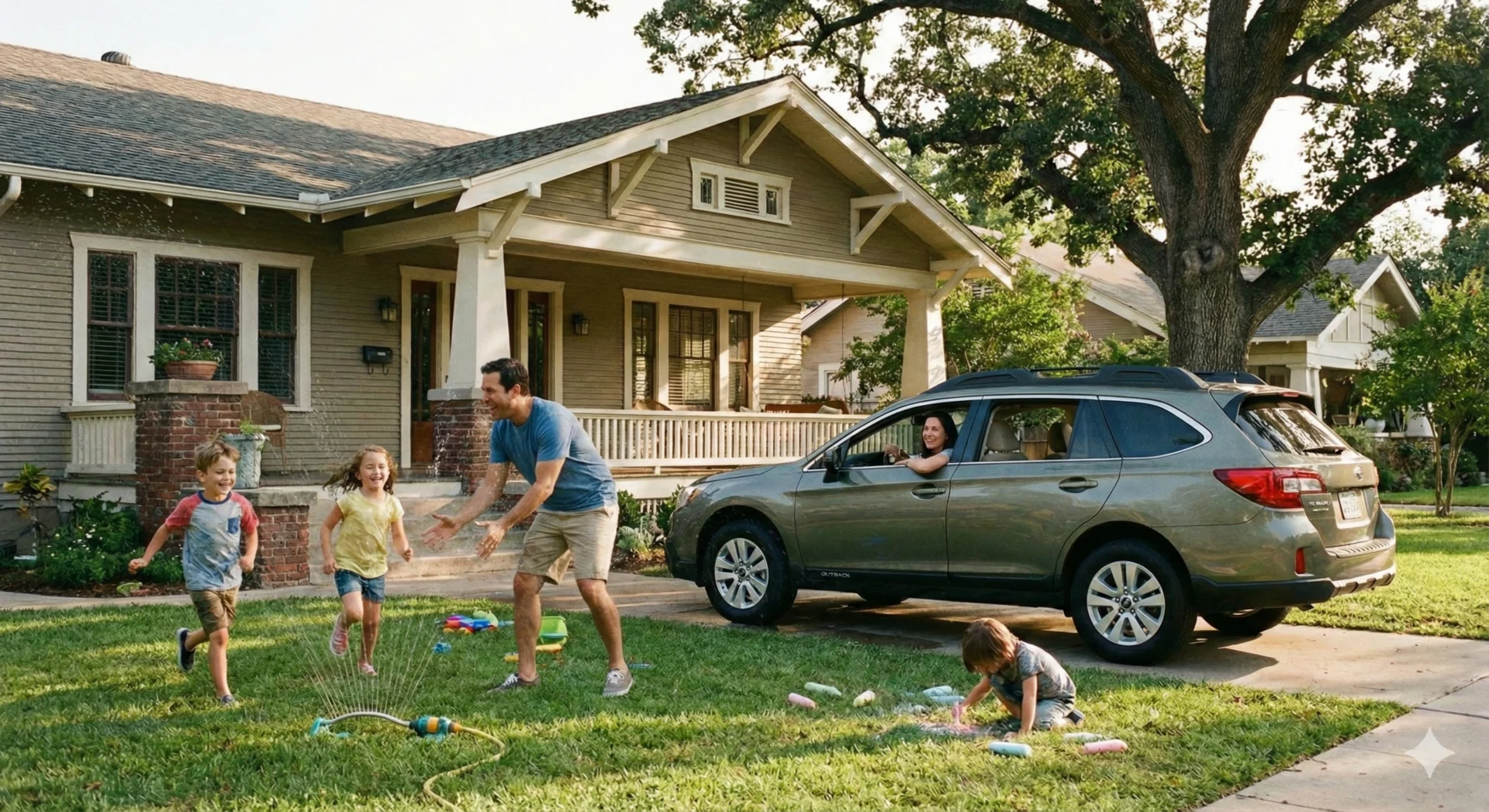
Personal liability coverage is the part of your homeowners policy that pays for legal fees, medical bills and lawsuit costs when you’re found responsible for injuring someone or damaging their property. If a guest slips on your icy driveway and breaks their hip, or a neighbor’s kid breaks their arm while playing in your sprinklers, personal liability coverage is what stands between you and potential financial disaster.
Jerry has helped over 54,000 homeowners compare quotes for home policies, including those with personal liability coverage. Here’s everything you need to know about how personal liability coverage works and how much you actually need.
Get bundling quotes in minutes, no calls needed.
What personal liability coverage pays for
Personal liability coverage, often called Coverage E in many home insurance policies, kicks in when you’re legally responsible for someone else’s injuries or property damage. Unlike other parts of your home insurance, there’s typically no deductible for liability claims. Your insurer pays up to your policy limit and according to your policy’s terms and exclusions.
Your personal liability coverage can follow you away from home, too. If your dog bites someone at the park or your kid accidentally breaks a neighbor’s window playing baseball, you’re covered.
Personal liability coverage pays for:
-
Legal defense costs, like attorney fees and court costs if you’re sued.
-
Medical expenses, like hospital bills, surgeries, rehabilitation and ongoing care for the injured person.
-
Settlements and judgments, which is money you’re ordered to pay by a judge if you lose a case or agree to settle.
-
Property damage if you accidentally damage someone else’s property.
-
Lost wages, which is income the injured person lost because of their injury.
-
Pain and suffering, which is non-economic damages for things like emotional distress and reduced quality of life.
Here’s an example of how personal liability coverage works.
Learn more: What car insurance liability covers
Key takeaway: Personal liability coverage pays for legal fees, medical bills and settlements when you’re responsible for injuries or property damage, up to your limits.
What personal liability coverage doesn’t cover
Personal liability coverage is broad, but it won’t cover everything.
Car accidents. This is covered by your car insurance policy.
Business activities. Home-based businesses need separate commercial liability coverage.
Intentional acts. You aren’t covered if you deliberately hurt someone or damage their property.
Injuries to household members. Liability coverage only pays for others’ injuries.
Damage to your own property. That’s what dwelling and personal property coverage are for.
Rental property incidents. If you rent out all or part of your home, you may need a landlord policy instead.
Dog-related factors. Some insurers restrict dog bite coverage based on bite history or breed; pit bulls, Rottweilers and Dobermans are most common.
Learn more: What does home insurance cover?
Why it matters: Your home insurance won’t cover you behind the wheel, that’s what car insurance is for. Jerry can help you compare car insurance quotes from 100+ insurers to make sure you’re protected on the road.
How much personal liability coverage do you need?
Jerry recommends all homeowners have at least $300,000 in personal liability coverage, but the right amount for you depends on your net worth. That’s because someone can go after what you own if your limits aren’t high enough.
Start by listing the assets you’d want protected, including your home equity, savings, investments and retirement accounts. If you have a larger net worth or certain risk exposures, like a pool, trampoline or dog, consider buying a higher limit or even an umbrella policy.
Jerry recommends: Consider getting at least $300,000 in personal liability coverage, but you should ideally match your coverage to your net worth, including your home equity, savings, investments and retirement accounts.
Get covered with Jerry
Finding the right liability coverage shouldn’t mean endless phone calls or confusing paperwork. Jerry makes it easy to compare home insurance quotes from over ten companies – all in one place, entirely online.
With Jerry, you can compare home and car insurance bundles from different insurers and mix and match to find the best combination of coverage and price. Then you can buy your policy entirely online. Plus, Jerry never sells your data or spams you with unwanted calls.
Mix and match with Jerry to build your perfect bundle.
Examples of common personal liability claims
You don’t need a major accident to face a liability claim. In fact, many claims come from everyday situations that catch homeowners off guard.
🐕 Dog bites
Dog-related injuries are among the most expensive liability claims. In 2024, insurers paid out $1.57 billion in dog bite claims, according to the Insurance Information Institute (III) and State Farm.
🧊 Slip-and-fall accidents
Icy steps, wet floors, loose rugs and uneven stairs can lead to a serious injury and a lawsuit.
🏠 Accidental property damage
Accidents happen, like your tree falling on a neighbor’s car or your kid’s baseball going through a window. Personal liability coverage pays to repair or replace other people’s property when you’re at fault.
🏊 Swimming pool and trampoline injuries
If someone is injured in your pool or on your trampoline, you can be held responsible. Note that some insurers won’t cover these unless you have enhanced personal liability coverage.
Why it matters: Most liability claims come from everyday situations like dog bites, slip-and-falls and pool injuries. Having sufficient coverage helps protect you from a major out-of-pocket hit.
Personal liability vs. medical payments coverage
Your homeowners policy also includes medical payments coverage, or Coverage F. Its limits are lower than personal liability — usually falling between $1,000 and $5,000 — and it works differently.
Medical payments coverage is designed to handle minor injuries quickly without lawyers or lawsuits. For example, if a guest trips on your stairs and needs an X-ray, medical payments can cover it regardless of who was at fault.
Here’s a breakdown of the difference between each.
Key takeaway: Personal liability covers major injuries and lawsuits when you’re at fault. Medical payments coverage handles minor injuries quickly, regardless of fault, without needing to get lawyers involved.
When you need umbrella insurance
Most standard homeowners policies cap personal liability limits at a maximum of $500,000. For more protection, you’ll need an umbrella insurance policy.
Umbrella insurance provides an extra layer of liability protection that kicks in after your home policy limits are hit. Policies typically start at $1 million and can go up to $10 million or more.
Jerry recommends: Consider getting an umbrella policy if your net worth exceeds $500,000. Umbrella insurance can add $1 million or more in liability protection after your home policy limits are exhausted.

Compare home + car bundles in one place, all online.
FAQ
- 🛡️ What is personal liability coverage in home insurance?
- 💰 How much personal liability coverage do I need?
- 🚫 Does personal liability coverage have a deductible?
- 🌍 Does liability coverage protect me outside my home?
- 🐕 Does homeowners insurance cover dog bites?
- ☂️ What’s the difference between personal liability and umbrella insurance?

Ben Moore is a writer and editor at Jerry and an auto insurance expert. He previously worked as a writer, editor and content strategist on NerdWallet’s auto insurance team for five years. His work has been published in The Associated Press, Washington Post, Chicago Sun-Times, MarketWatch, Nasdaq and Yahoo News. He also served as a NerdWallet spokesperson, with appearances on local broadcast television and quotes in Martha Stewart and Real Simple magazine.
Ben has an extensive background in digital marketing, working on affiliate and programmatic advertising campaigns for brands like Cabela’s, H&R Block and Sears. He holds a bachelors degree in marketing from Olivet Nazarene University.