

Over the past year, Jerry has helped 2,418 Saturn drivers find affordable coverage and meaningful savings. By analyzing real Saturn insurance policies, we know what owners are actually paying and what you can expect for each level of protection.
Competitive annual prices for Saturn drivers are currently around:
-
$918 for basic coverage.
-
$1,731 for standard coverage.
-
$2,034 for premium coverage.
Because all Saturns on the road today are used or older models, rates are often more affordable than for newer vehicles. That said, the rate you’ll pay depends on personal factors such as your driving record, where you live and the specific Saturn you drive.
On average, Saturn drivers pay between $1,660 and $3,508 annually for full coverage, with an average premium around $3,000. That’s below the national average of $4,088, reflecting Saturn’s reputation for simplicity, reliability and affordable repairs.
Already insured? Jerry pulls live quotes from top insurers so you can compare prices and switch to a better deal in minutes. If we find a lower rate on Saturn car insurance, you can change policies right away. Jerry will handle the cancellation and make sure you get any refund you’re owed.
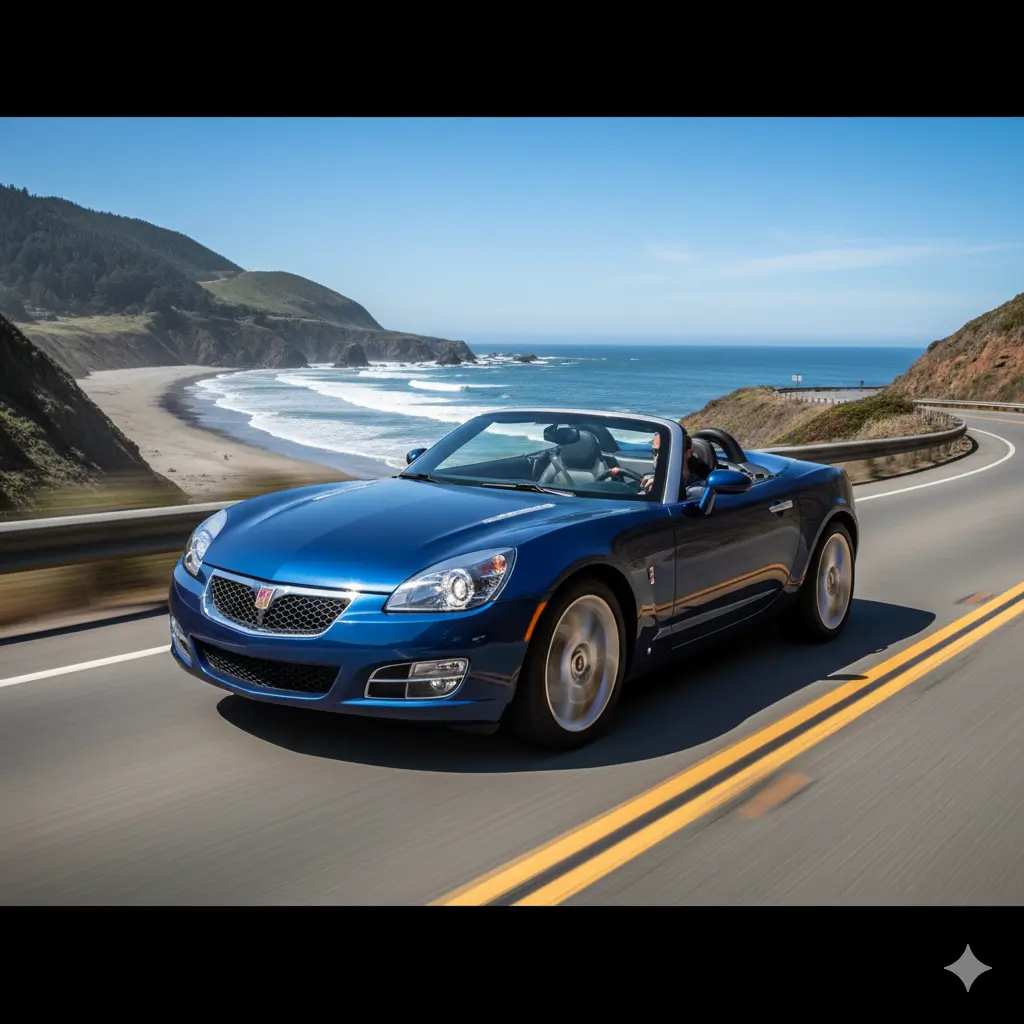
Fast track your Saturn insurance with Jerry.
How much does Saturn car insurance cost?
Saturn car insurance costs can vary, but Jerry makes it easy to see what real drivers with your model and profile are paying.
Recent quotes
Based on Jerry customers with clean driving records who found savings in the past 12 months. Savings depend on coverage and other factors. Potential savings will vary.
Key takeaway: Even in the same city, two Saturn drivers can pay very different premiums. Jerry compares rates from top insurers to help you find the right coverage for your needs and budget.
What’s the best Saturn car insurance?
Saturns were designed to be practical, efficient and long-lasting. The right insurance should follow the same formula, offering strong protection that stays affordable.
If your Saturn is financed or leased, your lender will require full coverage. You may also need gap insurance, which helps pay off your loan if your car is totaled.
Jerry recommends Saturn drivers carry at least 100/300/100 liability coverage. While that’s higher than most state minimums, it provides balanced protection for aging vehicles with solid value.
Whether you’re holding onto a trusted sedan or an SUV that still runs strong, these coverage options can help protect your Saturn for years to come.
Higher liability limits
Saturns may be older, but at-fault accidents can still add up quickly. About 38% of Jerry Saturn drivers choose higher-than-minimum coverage for added peace of mind.
Roadside assistance
Covers towing, lockouts and jump-starts. Many Saturn drivers extend this coverage for reassurance as their vehicles age.
Rental reimbursement
Pays for a rental while your Saturn is being repaired after a claim. Most insurers offer 30 to 45 days of coverage depending on your plan and state.
Accident forgiveness
Keeps your rates steady after your first at-fault accident. Without it, Saturn drivers typically see increases of almost 38%.

See coverage options for your Saturn.
-
Coverage Definitions
-
Who it pays: The other person, for injuries when you’re at fault in a crash.
-
What it covers: Medical bills, lost wages and legal costs for people injured in an accident you cause.
-
How it pays: Up to your policy limits, shown as two numbers. For example, 50/100 means $50K per person and $100K per accident.*
-
Do you need it? Required by law in every state except New Hampshire. Your state sets a minimum, but Jerry recommends considering limits of at least 100/300.
Property damage liability (PD)
-
Who it pays: The other person, for property you damage in a crash.
-
What it covers: Costs to repair or replace another person’s car, fence, mailbox or other property you hit.
-
How it pays: Up to your policy’s limit. For example, $50K.*
-
Do you need it? Required by law in every state except New Hampshire. Your state sets a minimum, but Jerry recommends considering limits of at least $100K.
*Bodily injury liability and property damage liability are typically shown as three numbers on your policy, like 100/300/100. The first two numbers represent your bodily injury limits per person and per accident, while the third number represents your property damage limit.
-
Who it pays: You, for damage to your own car.
-
What it covers: Costs to repair or replace your own car after a crash with another car or object, like a guardrail or pole.
-
How it pays: You pay a deductible first, then insurance covers the rest, typically up to your car’s current market value.
-
Do you need it? Required if you’re financing or leasing your car. Optional otherwise, but recommended if your car is worth more than $5,000. May not be worthwhile for older, lower-value cars.
-
Who it pays: You, for damage to your own car.
-
What it covers: Damage from non-crash events like theft, vandalism, hail, flooding, falling trees, fire or hitting an animal.
-
How it pays: You pay a deductible first, then insurance covers the rest, typically up to your car’s current market value.
-
Do you need it? Required if you’re financing or leasing your car. Optional otherwise, but recommended if your car is worth more than $5,000. May not be worthwhile for older, lower-value cars.
Uninsured/underinsured motorist (UM/UIM)
-
Who it pays: You and your passengers, for injuries and property damage.
-
What it covers: Your own injuries and property damage when the at-fault driver has no insurance or not enough to cover your costs, including hit-and-runs in many states.
-
How it pays: Up to your chosen limits, which often match your BI limits. There’s usually no deductible for UM, but UIM may have one.
-
Do you need it? Required in some states, but Jerry recommends every driver get it, since about 1 in 8 drivers does not have car insurance.
Personal injury protection (PIP)
-
Who it pays: You and your passengers, for medical bills and lost income, no matter who caused the accident.
-
What it covers: Medical bills, lost wages, childcare, funeral costs and other expenses after an accident, regardless of fault.
-
How it pays: Up to your policy limit. There’s usually no deductible, though this varies by state.
-
Do you need it? Required in no-fault states. If available in your state, it’s worth considering.
-
Who it pays: You and your passengers, for medical bills.
-
What it covers: Medical expenses after an accident, regardless of fault.
-
How it pays: No deductible. Pays up to your policy’s limit.
-
Do you need it? Optional in most states, but can be valuable if you don’t have health insurance or have a high-deductible health plan.
-
4 smart ways Saturn drivers shop and lower insurance costs
Finding the right car insurance means balancing cost and coverage. For Saturn owners, that balance matters even more as vehicles age and insurers price them differently.
Jerry’s experts help drivers keep their Saturn auto insurance premiums low without sacrificing coverage that fits their needs. Here are our top tips.
| How to save | Typical savings |
|---|---|
| Compare quotes | 31% to 54% among Saturn drivers |
| Stack discounts | 26% to 49% among all drivers |
| Adjust coverage | 7% to 61% among all drivers |
| Avoid lapses | 28% among Saturn drivers |
Based on Jerry customers with clean driving records who found savings in the past 12 months. Savings depend on coverage and other factors. Potential savings will vary.
Tip 1: Compare quotes before your next renewal
Not every insurer prices Saturn coverage the same way. Some overvalue older vehicles, while others reward long-term ownership. That can lead to major price differences for similar policies.
Here’s where Saturn drivers who saved most often switched last year after comparing rates with Jerry:
| Insurer | Saturn drivers who switched | Average Jerry savings |
|---|---|---|
| Bristol West | 50% | 20% |
| Commonwealth | 50% | 6% |
Based on Jerry customers with clean driving records who found savings in the past 12 months. Savings depend on coverage and other factors. Potential savings will vary.
Why it matters: Saturn drivers can save up to a fifth by comparing quotes. Jerry shows real prices in real time so you can find your best deal before you buy.
Tip 2: Combine discounts for bigger savings
Many Saturn drivers qualify for several discounts like safe driver programs, low-mileage incentives or bundling home and auto. But insurers don’t always apply them automatically. Jerry finds and stacks discounts so you don’t leave savings on the table.
Key takeaway: Discounts can add up to more savings than raising deductibles alone.
Tip 3: Match your coverage to your Saturn
From compact sedans to SUVs, every Saturn has different needs. Most owners choose full coverage and higher limits on newer or lower-mileage vehicles, then adjust deductibles or extras as the car ages.
Minimum
$66 – $145/mo
Offers the legal minimum limits, which vary by state.
Full
$100 – $208/mo
Includes minimum liability plus collision and comprehensive coverage.
Standard
$132 – $276/mo
Increases liability limits, adds things like UM/UIM, medical, towing & more.
Preferred
$156 – $333/mo
Raises liability further, lowers deductibles, expands extra coverages.
Based on drivers with no accidents or violations who saved with Jerry over the past 6 months. Quotes and coverage not available for all customers.
Why it matters: Most Saturn drivers with newer or well-maintained models choose full coverage and higher liability limits. Jerry experts recommend 100/300/100 for well-rounded protection.
Tip 4: Make sure your policy fits your budget
A policy you can’t afford can lead to a lapse in coverage, and that can be costly. Among Jerry Saturn drivers, even a short lapse can increase premiums by an average of 28%.
Based on Jerry drivers aged 35–44 with clean records who requested standard coverage quotes over the past 60 months. Savings vary by state, coverage, and driver profile.
Adjusting deductibles, coverage limits or optional add-ons can help you stay insured without overspending.

Jerry Proof: Real Saturn drivers, real savings
See how much Saturn owners are saving. Here are real drivers, their vehicle and the deals they found after comparing quotes with Jerry.
Recent quotes
Based on Jerry customers with clean driving records who found savings in the past 12 months. Savings depend on coverage and other factors. Potential savings will vary.
Customer feedback: Drivers who switched with Jerry rate us 4.6 out of 5 stars on Trustpilot.
Drive with confidence
Your Saturn may no longer be in production, but it still deserves protection that’s reliable and affordable. Whether you drive an Ion, Vue or Outlook, Jerry helps you find coverage that fits your car and your budget, without the hassle.
We compare top insurers, uncover discounts and manage renewals so your coverage stays steady for the road ahead.

It only takes 2 minutes to sign up at Jerry.
FAQs
-
Does Saturn still make cars?
-
Can you still insure a Saturn car?

Stephanie Colestock is a professional writer, CFEI®, and licensed insurance agent specializing in personal finance. With over 14 years of experience, she crafts insightful and accessible content on a wide range of financial topics, including insurance, loans, credit/debt, investing, retirement planning, and banking.
Her bylines appear in top-tier publications such as TIME, Fortune, MSN, Business Insider, USA Today, Money, Fox Business, and CBS. Stephanie’s deep understanding of complex financial concepts and her ability to communicate them clearly have made her a trusted voice in the industry.
When she’s not writing, Stephanie enjoys SCUBA diving, reading a good book, and traveling the world with her family.
Methodology
Statistics and conclusions presented in this article based on drivers who requested quotes through Jerry over the past 12 months and who had no accidents or violations, unless otherwise indicated. Quotes and coverage not available for all customers. Not all customers find savings.