Jerry is your proactive car insurance assistant. We help you compare personalized quotes side-by-side from 100+ top insurers, explain coverage in plain English, and switch policies in minutes. No bouncing between sites. No pressure to buy. Just clear options, expert guidance when you want it, and a seamless way to get covered.
-
Read about our editorial standards here.
Compare Car Insurance Quotes in Connecticut
Jerry is a free app trusted by 28,396 Connecticut drivers that compares insurance quotes from top carriers.
-
Get personalized options in minutes.
-
Buy, bundle and switch right in the app.
-
Licensed agents are ready to help if you need them.


Stephanie Colestock is a writer, CFEI®, and licensed insurance agent with over 14 years of experience specializing in personal finance topics like insurance, investing, retirement, and household budgeting. Her work has been featured in TIME, Forbes, USA Today, and other leading publications. Through her writing, Stephanie simplifies complex financial concepts, empowering readers to make smarter financial decisions.
-
Certified Financial Education Instructor (CFEI) (2024)
-
General Lines Agent, Property & Casualty (2025)
-
14 years as a professional writer and editor
-
10 years covering personal finance

-
General Lines Agent, Property & Casualty (2022)
-
Awarded Agent of the quarter at Jerry (2023)
-
AS in Computer Science from Troy University of Montgomery
Average Connecticut car insurance prices
The average cost of car insurance for Jerry drivers in the U.S. is currently $150 a month for state minimum and $362 a month for full coverage. But in Connecticut, Jerry drivers pay:
-
$121 to $235 per month for state-mandated minimum coverage.
-
$206 to $470 per month for full coverage.
The best way to find the right policy is to compare different insurers side-by-side. Over the last 12 months, Jerry has helped Connecticuters save an average of $796 per year on coverage by checking for competitive coverage options in real time.
We make that process simple. Use the Jerry app to compare coverage and finalize your Connecticut policy in under 10 minutes. It is free to compare and we never sell your personal info so you don’t have to worry about spam calls. Do it all digitally, or connect with a licensed agent whenever you need expert guidance.
Keep in mind that your insurance cost will depend on things like your car model, how much you drive, and your claims history. Here are some full coverage rates that Jerry drivers in Connecticut have recently gotten:
Recent quotes
Customer | Date | Make | Insurer | Coverage level | Monthly quote | Savings |
|---|---|---|---|---|---|---|
| 09/18/26 | Nissan Versa SV | Basic | $305 | 26% | ||
| 09/18/26 | Volkswagen Passat SE | Basic | $114 | 41% | ||
| 09/18/26 | Ford Ecosport SE | Basic + Full Coverage | $130 | 56% | ||
| 09/18/26 | Nissan Rogue S | Basic | $121 | 51% | ||
| 09/18/26 | Honda CR-V EX | Basic | $61 | 27% |
Based on Jerry customers with clean driving records who found savings in the past 12 months. Savings depend on coverage and other factors. Potential savings will vary.
Bundle home and auto insurance with Jerry
Connecticut homeowners face coastal storm exposure along Long Island Sound, nor’easters in winter, and aging housing stock that can be expensive to insure. Bundling home and auto insurance is one of the most effective strategies to manage those higher-than-average premiums.
Bundling discounts typically range from 5–25%, depending on the insurer. But bundling with the same carrier isn’t always the cheapest option — mixing carriers can actually result in a lower total cost. Over the past year, drivers who switched through Jerry saved an average of 40% compared to their previous policy.
Here’s what really sets Jerry apart: you don’t have to use the same insurer for both. Jerry’s mix-and-match approach lets you pair the best home insurance rate with the best auto insurance rate, even from different carriers. That way you’re not overpaying on one policy just to get a discount on the other.
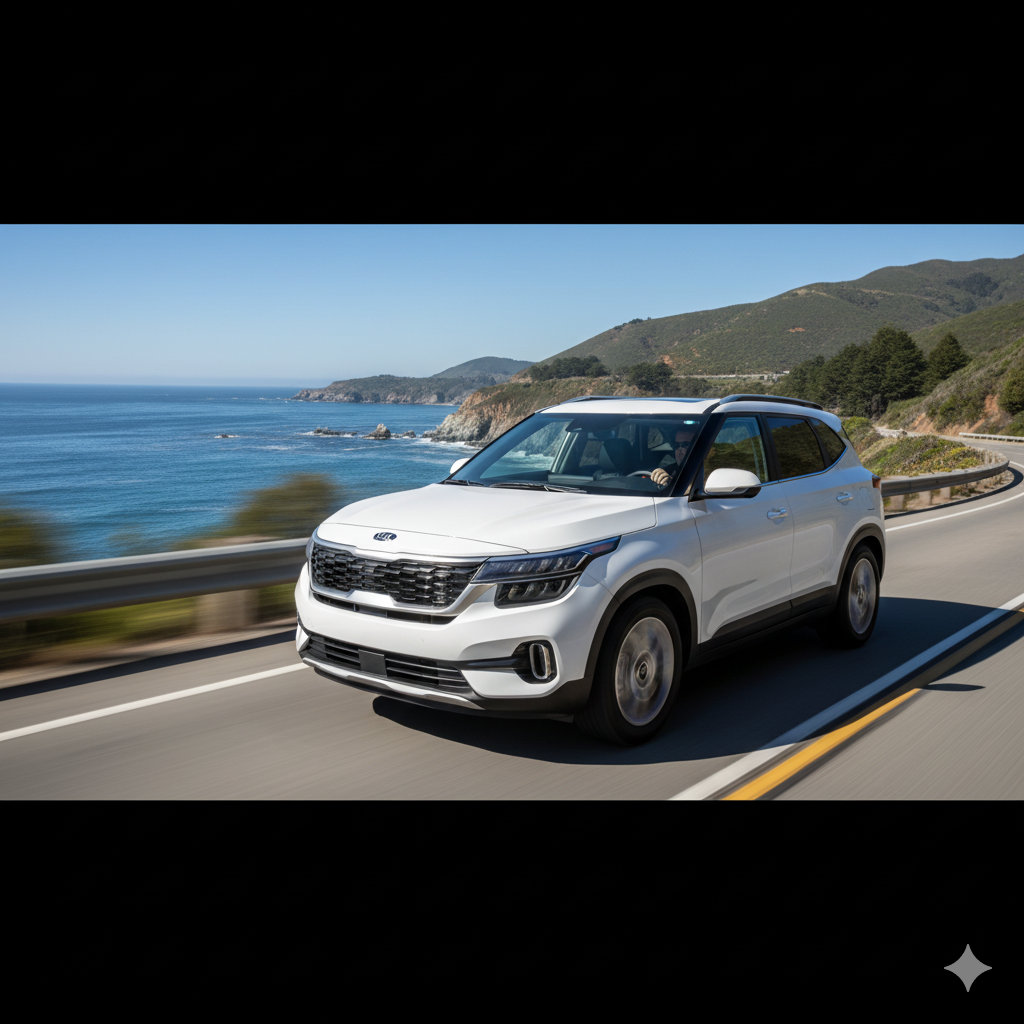
Jerry pulls up to 20 quotes from top rated carriers.
What Connecticut drivers are paying with Jerry
If you want to make sure you’re not overpaying for car insurance, comparing quotes from multiple carriers is the best place to start. Whether you’re building a policy from scratch, matching your current coverage or hunting for the cheapest car insurance in Connecticut, it helps to see your options side by side.
That matters in Connecticut, where a small state still has a wide range of driving conditions. Fairfield County drivers near the New York border face some of the highest rates in the state, while those in quieter parts of the Hartford suburbs or the eastern hills often pay considerably less. Jerry works with Connecticut drivers every day, so your quotes reflect what’s actually typical for your area and driving profile.
Jerry works with 100+ trusted insurers nationwide, to help you build a policy and secure your best price in minutes. Here are some of the latest quotes Jerry has pulled for Connecticut drivers at different coverage levels, plus how much each driver saved.
Recent quotes in Connecticut
Customer | Date | Make | Insurer | Coverage level | Monthly quote | Savings |
|---|---|---|---|---|---|---|
| 09/18/26 | Nissan Versa SV | Basic | $305 | 26% | ||
| 09/18/26 | Volkswagen Passat SE | Basic | $114 | 41% | ||
| 09/18/26 | Ford Ecosport SE | Basic + Full Coverage | $130 | 56% | ||
| 09/18/26 | Nissan Rogue S | Basic | $121 | 51% | ||
| 09/18/26 | Honda CR-V EX | Basic | $61 | 27% |
Based on Jerry customers with clean driving records who found savings in the past 12 months. Savings depend on coverage and other factors. Potential savings will vary.
Calculate your car insurance costs
Car insurance calculator
Your personal rate estimate in 60 seconds
| Coverage levels Basic:
Standard:
Preferred:
* Full coverage includes comprehensive & collision coverage. Coverages may differ in no-fault states. | |||
|---|---|---|---|
| Insurer | Basic | Standard | Preferred |
Compare quotes in other states:









Connecticut car insurance coverage requirements
Connecticut drivers are required to buy a combination of personal property and bodily injury liability insurance and uninsured motorist coverage to legally drive their car. The minimum requirements in this state are:
-
$25,000 in bodily injury liability per person.
-
$50,000 in bodily injury liability per accident.
-
$25,000 in property damage liability per accident.
-
$25,000 in uninsured/underinsured motorist bodily injury, or UMBI, coverage per person.
-
$50,000 in uninsured/underinsured motorist bodily injury coverage per accident.
You also have the option of buying at least $50,000 in combined single limit (CSL) coverage instead, which covers both your property damage and bodily injury liability.
However, while this makes you “legal,” it won’t protect you against major accidents or damage to your own car. For better protection, many Jerry drivers choose to increase their liability coverage limits and also buy comprehensive and collision coverage. Considering nearly 12% of Connecticut drivers are uninsured, buying additional uninsured/underinsured motorist (UIM) protection is also a smart move.
Coverage Definitions
-
Who it pays: The other person, for injuries when you’re at fault in a crash.
-
What it covers: Medical bills, lost wages and legal costs for people injured in an accident you cause.
-
How it pays: Up to your policy limits, shown as two numbers. For example, 50/100 means $50K per person and $100K per accident.*
-
Do you need it? Required by law in every state except New Hampshire. Your state sets a minimum, but Jerry recommends considering limits of at least 100/300.
Property damage liability (PD)
-
Who it pays: The other person, for property you damage in a crash.
-
What it covers: Costs to repair or replace another person’s car, fence, mailbox or other property you hit.
-
How it pays: Up to your policy’s limit. For example, $50K.*
-
Do you need it? Required by law in every state except New Hampshire. Your state sets a minimum, but Jerry recommends considering limits of at least $100K.
*Bodily injury liability and property damage liability are typically shown as three numbers on your policy, like 100/300/100. The first two numbers represent your bodily injury limits per person and per accident, while the third number represents your property damage limit.
-
Who it pays: You, for damage to your own car.
-
What it covers: Costs to repair or replace your own car after a crash with another car or object, like a guardrail or pole.
-
How it pays: You pay a deductible first, then insurance covers the rest, typically up to your car’s current market value.
-
Do you need it? Required if you’re financing or leasing your car. Optional otherwise, but recommended if your car is worth more than $5,000. May not be worthwhile for older, lower-value cars.
-
Who it pays: You, for damage to your own car.
-
What it covers: Damage from non-crash events like theft, vandalism, hail, flooding, falling trees, fire or hitting an animal.
-
How it pays: You pay a deductible first, then insurance covers the rest, typically up to your car’s current market value.
-
Do you need it? Required if you’re financing or leasing your car. Optional otherwise, but recommended if your car is worth more than $5,000. May not be worthwhile for older, lower-value cars.
Uninsured/underinsured motorist (UM/UIM)
-
Who it pays: You and your passengers, for injuries and property damage.
-
What it covers: Your own injuries and property damage when the at-fault driver has no insurance or not enough to cover your costs, including hit-and-runs in many states.
-
How it pays: Up to your chosen limits, which often match your BI limits. There’s usually no deductible for UM, but UIM may have one.
-
Do you need it? Required in some states, but Jerry recommends every driver get it, since about 1 in 8 drivers does not have car insurance.
Personal injury protection (PIP)
-
Who it pays: You and your passengers, for medical bills and lost income, no matter who caused the accident.
-
What it covers: Medical bills, lost wages, childcare, funeral costs and other expenses after an accident, regardless of fault.
-
How it pays: Up to your policy limit. There’s usually no deductible, though this varies by state.
-
Do you need it? Required in no-fault states. If available in your state, it’s worth considering.
-
Who it pays: You and your passengers, for medical bills.
-
What it covers: Medical expenses after an accident, regardless of fault.
-
How it pays: No deductible. Pays up to your policy’s limit.
-
Do you need it? Optional in most states, but can be valuable if you don’t have health insurance or have a high-deductible health plan.
-
Factors affecting Connecticut car insurance rates in 2026
Commuter traffic and higher repair costs
Traffic on I-95, the Merritt Parkway, and around Hartford and New Haven drives up fender benders, and Connecticut’s labor rates push repair bills higher than the national average. Carry collision coverage and pick a deductible you can pay comfortably, because even minor damage gets pricey fast here.
Theft, break-ins, and vandalism
Some coastal and higher-density ZIP codes see more break-ins and vehicle theft than drivers expect. Comprehensive coverage is important if you park outdoors or on the street, since that’s what pays for theft and vandalism. Make your car a harder target too: lock up, park in well-lit spots and keep valuables out of sight.
Vehicle value and parts costs
Newer cars and luxury models cost more to insure because parts, sensors, and recalibration work add up quickly. If you drive a newer or higher-end vehicle, expect higher premiums and compare car insurance quotes often, since pricing can vary significantly between insurers.
Uninsured drivers
Roughly one in eight Connecticut drivers is uninsured, according to the IRC. Jerry recommends matching your UM/UIM limits to your liability limits, so you’re protected if the other driver can’t cover your injuries or damage.
Winter storms and black ice
Snow, sleet and black ice cause sudden traction loss, especially on bridges and secondary roads. Consider keeping collision coverage active and set a deductible you can actually afford, so you’re able to use your coverage when a winter drive goes wrong.
Flooding and coastal storm impacts
Nor’easters and heavy rain can flood low-lying roads and parking areas, damaging cars even when they’re sitting still. We recommend comprehensive coverage if flooding is a risk where you live or commute, because that’s what covers flood-related vehicle damage.
Average cost of car insurance in major Connecticut cities
City | Average monthly cost |
|---|---|
| $431 | |
| $426 | |
| $385 | |
| $353 | |
| $348 | |
| $344 | |
| $330 | |
| $313 |
Based on Jerry customers with clean driving records who found savings in the past 12 months. Savings depend on coverage and other factors. Potential savings will vary.

Get Connecticut quotes in as little as 2 minutes.
Learn more about driving in Connecticut
-
Learn how at-fault states affect your car insurance.
-
Understand the 6 main types of car insurance coverage.
-
Find out how much car insurance you need.
FAQ
- What are the minimum car insurance requirements in Connecticut?
- What are the penalties for driving without insurance in Connecticut?
- Is Connecticut a no-fault or at-fault state?
- What is the average cost of car insurance in Connecticut?
- Do I need uninsured motorist coverage in Connecticut?
- What types of car insurance are required in Connecticut?
- How do I register and insure a new car in Connecticut?
- Does Connecticut require PIP or personal injury protection?
- What are the best car insurance companies in Connecticut?


Stephanie Colestock is a professional writer, CFEI®, and licensed insurance agent specializing in personal finance. With over 14 years of experience, she crafts insightful and accessible content on a wide range of financial topics, including insurance, loans, credit/debt, investing, retirement planning, and banking.
Her bylines appear in top-tier publications such as TIME, Fortune, MSN, Business Insider, USA Today, Money, Fox Business, and CBS. Stephanie’s deep understanding of complex financial concepts and her ability to communicate them clearly have made her a trusted voice in the industry.
When she’s not writing, Stephanie enjoys SCUBA diving, reading a good book, and traveling the world with her family.