
Key Takeaways:
- PIP pays for your medical bills, lost wages and essential services after a car accident, no matter who caused it.
- Twelve states require PIP coverage, with minimum limits ranging from $3,000 to $50,000.
- PIP is different from MedPay, which only covers medical expenses and does not replace lost income.
Personal injury protection, or PIP, is car insurance that pays for your medical bills, lost wages and other recovery costs after an accident, no matter who caused it. It is required in 12 states and optional in several others. PIP is sometimes called no-fault insurance because your own insurer pays your claim, regardless of fault.
Jerry has helped 1,195,892 drivers compare car insurance quotes that include PIP coverage in the past year, making it easy to find the right protection at the right price.
Jerry pulls up to 20 quotes from top rated carriers.
What is personal injury protection?
There are six main types of car insurance, and PIP is the one designed to protect you and your passengers after an accident. While liability insurance pays for the other driver’s costs when you’re at fault, PIP works in the opposite direction. It covers your own medical bills, lost income and recovery expenses, and it kicks in right away without waiting for anyone to determine who caused the crash.
Depending on which state you live in, PIP can cover:
PIP does not cover damage to your car, damage to someone else’s property or injuries to other drivers. For those, you would need collision, comprehensive or liability coverage.
Key takeaway: PIP pays for your medical bills, lost wages and recovery costs after a car accident, no matter who caused it. It protects both you and your passengers.
Do I need personal injury protection?
Whether you need PIP depends on where you live, what health insurance you have and how much financial risk you’re comfortable with. Here’s a quick way to decide.
-
You live in a no-fault state where PIP is required by law
-
You don’t have health insurance or have a high-deductible plan
-
You’re self-employed or don’t have paid sick leave
-
You regularly drive with passengers
-
You want fast access to medical benefits without waiting for fault to be determined
-
You live in an at-fault state that doesn’t offer PIP.
-
You have strong health insurance, disability coverage and emergency savings.
Even if PIP is optional in your state, it can fill gaps that health insurance leaves behind, like lost wages and essential household help. If you’re not sure whether you need it, medical payments coverage is an alternative that covers medical expenses only.
Key takeaway: PIP is required in 12 states. Even where it’s optional, it’s worth considering if you lack strong health insurance or disability coverage.
What does personal injury protection cost?
The cost of PIP varies based on your state’s requirements, the coverage limits you choose, your deductible and your insurer. In states where PIP is required, it is built into your policy and priced as part of your overall premium.
Jerry customers typically pay between $77 and $173 per month for a policy that includes PIP coverage. Here are the main factors that affect your price.
Key takeaway: PIP costs depend on your state’s rules, your coverage limits and your insurer. Comparing quotes is the best way to find the right price.
Jerry pulls up to 20 quotes from top rated carriers.
How to get personal injury protection with Jerry
Getting the right PIP coverage doesn’t need to be complicated. Jerry makes it easy to compare quotes from over 100 insurers in one place, so you can find the coverage you need at a price that works for you.
| 1. Compare quotesAnswer a few questions and Jerry pulls up personalized, side-by-side quotes from 100+ insurers so you can see exactly how much a policy with PIP coverage costs. |
| 2. Customize your coverageChoose your PIP limits and deductible based on what makes sense for your situation. Jerry shows you how different options affect your total premium. |
| 3. Buy your policy in the appOnce you find the right coverage, Jerry handles the switch. We take care of the paperwork and can even cancel your old policy so you don’t have to. |
Why it matters: Jerry doesn’t just help you find a policy. We manage your insurance over time and alert you when it’s time to reshop for a better rate.
Why PIP matters when other drivers aren’t insured
One of the most valuable things about PIP is that it pays your medical bills even when the other driver has no insurance. According to the Insurance Research Council (IRC), 15.4% of drivers were uninsured in 2023. That means roughly one in seven drivers on the road with you may not have any coverage at all.
The IRC also found that one in three drivers were either uninsured or underinsured in 2023, a 10 percentage point increase from 2017. Even drivers with insurance may not have enough to cover your costs if they cause a serious accident.
PIP helps close this gap because it pays from your own policy, so you’re not dependent on the other driver having enough coverage. Pairing PIP with uninsured motorist coverage gives you even more protection.
Key takeaway: With one in seven drivers uninsured, PIP ensures you get medical care after an accident without depending on the other driver’s coverage.
States that require personal injury protection
Twelve states require drivers to carry PIP coverage as part of their car insurance policy. Most of these are no-fault states, where each driver files a claim with their own insurer after an accident, regardless of who caused it. The required coverage amounts vary significantly by state, according to the Insurance Information Institute (III). Here’s the minimum required in each state:
| State | Minimum PIP required | Insurance system |
|---|---|---|
| Delaware | $15,000 | No-fault |
| Florida | $10,000 | No-fault |
| Hawaii | $10,000 | No-fault |
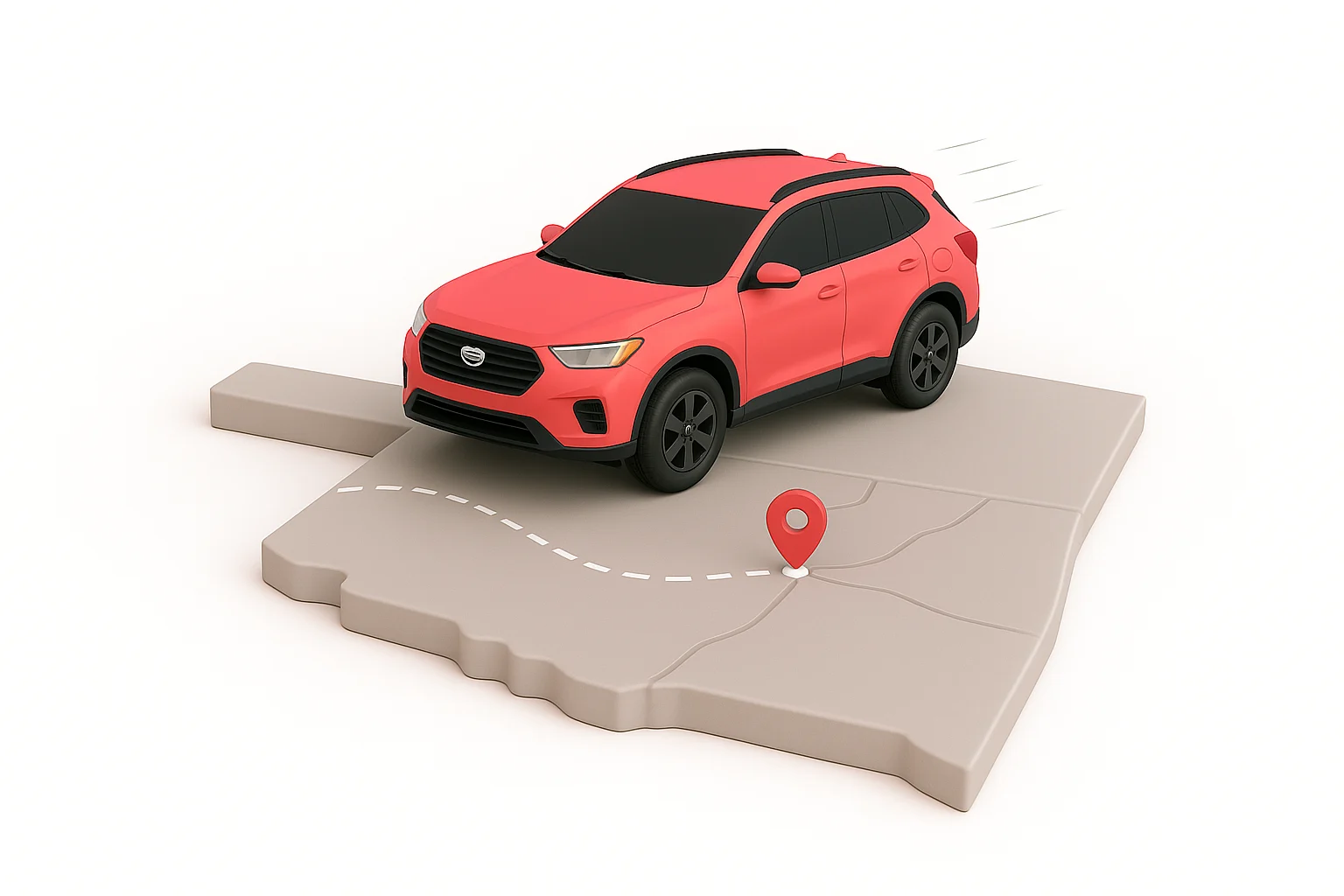
| Kansas | $4,500 | No-fault |
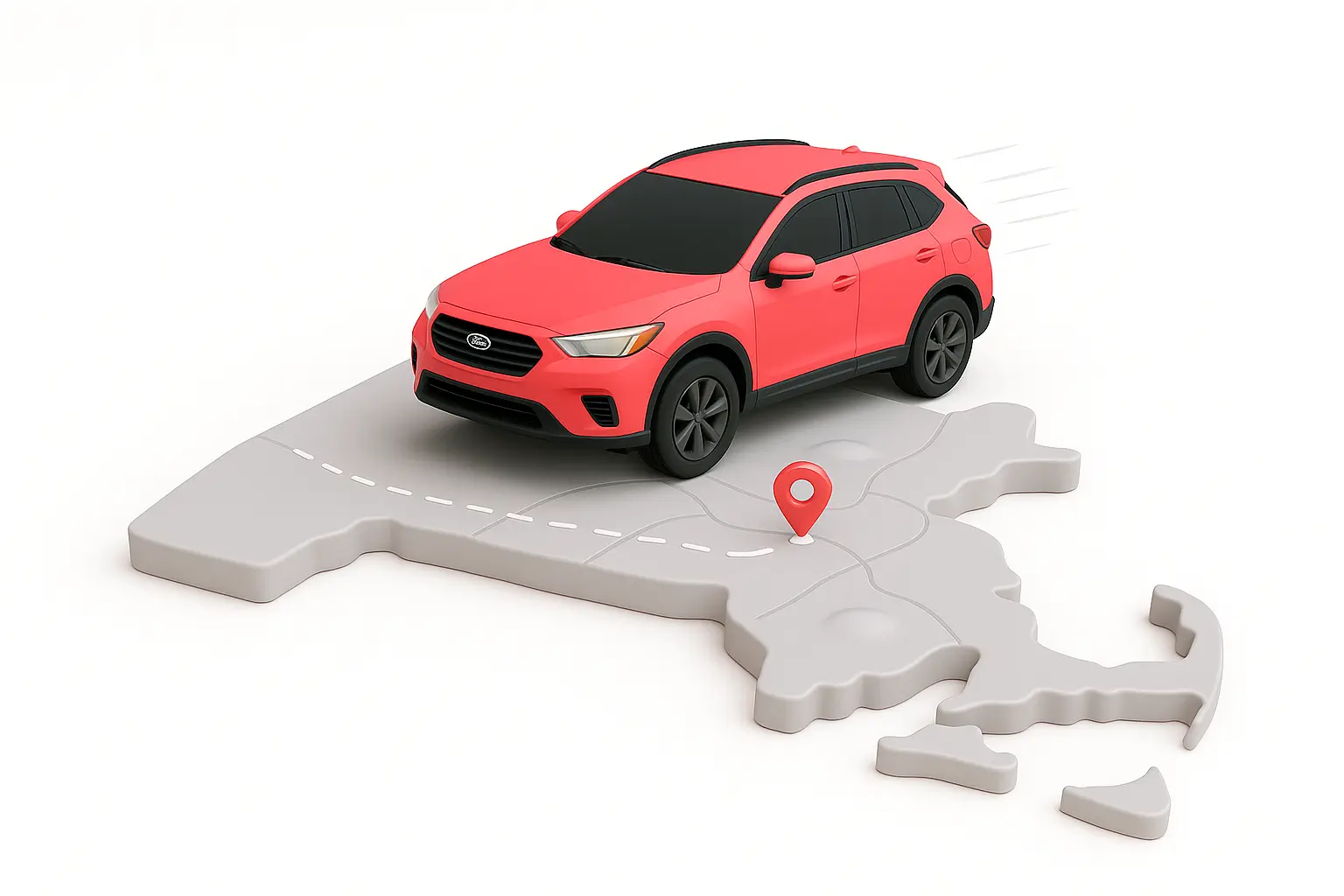
| Massachusetts | $8,000 | No-fault |
| Michigan | $50,000 to unlimited | No-fault |
| Minnesota | $40,000 | No-fault |
| New Jersey | $15,000 | No-fault |
| New York | $50,000 | No-fault |
| North Dakota | $30,000 | No-fault |
| Oregon | $15,000 | At-fault* |
| Utah | $3,000 | No-fault |
*Oregon mandates PIP coverage for all drivers but does not restrict your right to sue the at-fault driver, which is what sets it apart from the 11 no-fault states on the list.
PIP is also available as optional coverage in several additional states, including Arkansas, Kentucky, Maryland, South Dakota, Texas, Virginia and Washington, plus Washington, D.C. In these states, your insurer may be required to offer PIP, but you can typically waive it in writing.
Learn more: Types of car insurance
Key takeaway: PIP limits range from $3,000 to $50,000 depending on the state. Check your state’s requirements before buying a policy.
How PIP works in a no-fault state
In a no-fault state, the process after an accident works differently than in an at-fault state. Instead of waiting for insurance companies to argue about who caused the crash, you file a claim with your own insurer and your PIP coverage starts paying right away.
Here’s how it typically works:
1. You’re injured in a car accident.
2. You file a claim with your own insurance company, not the other driver’s.
3. Your insurer pays your medical bills and other covered expenses under your PIP coverage, up to your policy limit.
4. If your injuries are serious enough to meet your state’s threshold, you may still be able to sue the at-fault driver for additional damages.
The National Association of Insurance Commissioners (NAIC) notes that no-fault laws were designed to speed up the claims process and reduce lawsuits over minor injuries. In exchange for getting faster access to benefits, no-fault states restrict your ability to sue the at-fault driver unless your injuries meet certain conditions, called a “threshold.”
Some states use a verbal threshold, where your injuries must qualify as “serious” before you can sue. These include:
- Florida.
- Michigan.
- New Jersey.
- New York.
- Pennsylvania.
Others use a monetary threshold, where your medical bills must exceed a specific dollar amount before you can file a lawsuit. These include:
- Hawaii.
- Kansas.
- Kentucky.
- Massachusetts.
- Minnesota.
- North Dakota.
A few states, like Kentucky, New Jersey and Pennsylvania, let drivers choose between the two systems when they buy their policy.
No-fault states tend to have higher average premiums than at-fault states, largely because PIP benefits are built into every policy. However, the tradeoff is faster access to medical care and less time spent fighting over fault.
If you file a PIP claim in a no-fault state, your insurer pays your benefits directly. Whether a PIP claim affects your future rates depends on your insurer and state. In most cases, a PIP claim where you were not at fault is less likely to raise your premium than an at-fault accident claim, but it can still appear on your claims history.
Key takeaway: In a no-fault state, your own insurer pays your PIP claim. You get faster access to benefits but may have limits on your ability to sue. you could comfortably pay tomorrow to keep premiums low without risking a bill you can’t handle in an emergency.
PIP vs. medical payments coverage
PIP and medical payments coverage are similar in that both pay for your injuries after an accident, regardless of fault. But they cover different things, and one may make more sense for you depending on where you live.
| PIP | MedPay | |
|---|---|---|
| Medical expenses | Covered ✅ | Covered ✅ |
| Lost wages | Covered ✅ | Not covered ❌ |
| Essential services | Covered ✅ | Not covered ❌ |
| Funeral expenses | Covered ✅ | Sometimes covered |
| Availability | Required or optional in about 19 states + D.C. | Available in most states as an optional add-on. |
If your state doesn’t offer PIP, MedPay is a good alternative for covering medical expenses. But it won’t replace your income if you can’t work, which is one of the biggest financial risks after a serious accident.
Learn more: How much car insurance do I need?
Key takeaway: PIP covers medical bills, lost wages and essential services. MedPay only covers medical bills. PIP provides broader protection.
How to save on personal injury protection
PIP coverage is more affordable than many drivers expect, and there are several ways to manage the cost without giving up the protection you need.
Choose a higher deductible if your state allows it
Some states let you choose a PIP deductible. Raising your deductible lowers your premium, but it means you’ll pay more out of pocket if you file a claim. Pick a deductible you could comfortably afford after an accident.
Coordinate with your health insurance
If you already have strong health insurance, you may be able to select lower PIP limits in states where the coverage amount is flexible. In some states, you can also elect to have your health insurance pay first, which can reduce your PIP premium.
Compare quotes from multiple insurers
Every insurer prices PIP differently. The same coverage can cost significantly more with one company than another. Jerry shows you quotes side-by-side from 100+ insurers so you can find the most competitive rate.
Stack your discounts
Bundling your car insurance with home or renters insurance, paying your premium in full and maintaining a clean driving record can all help lower your overall premium, including the PIP portion. Jerry automatically finds the car insurance discounts you qualify for.
Key takeaway: You can lower your PIP cost by raising your deductible, coordinating with health insurance and comparing quotes from multiple insurers.

It only takes 2 minutes to sign up at Jerry.
faq
-
Is personal injury protection required?
-
How much does PIP cost per month?
-
What is the difference between PIP and bodily injury liability?
-
Do I need PIP if I already have health insurance?
-
Does PIP cover me if I’m a pedestrian?
-
Can I get PIP coverage the same day?
-
What is the difference between PIP and no-fault insurance?
-
Can I lower my PIP premium?
Methodology
Data included in this analysis comes from policies that Jerry has quoted within the last 6 months for drivers with a clean record and that have full coverage, unless stated otherwise. Data related to violations, accidents or credit scores pull from quote data from the last 18 months. Jerry services 48 states and offers a range of insurance companies to choose from. Read Jerry’s car insurance data methodology to learn more about how we collect, verify and share real-world insurance data.

Ben Moore is a writer and editor at Jerry and an auto insurance expert. He previously worked as a writer, editor and content strategist on NerdWallet’s auto insurance team for five years. His work has been published in The Associated Press, Washington Post, Chicago Sun-Times, MarketWatch, Nasdaq and Yahoo News. He also served as a NerdWallet spokesperson, with appearances on local broadcast television and quotes in Martha Stewart and Real Simple magazine.
Ben has an extensive background in digital marketing, working on affiliate and programmatic advertising campaigns for brands like Cabela’s, H&R Block and Sears. He holds a bachelors degree in marketing from Olivet Nazarene University.