Jerry is your proactive car insurance assistant. We help you compare personalized quotes side-by-side from 100+ top insurers, explain coverage in plain English, and switch policies in minutes. No bouncing between sites. No pressure to buy. Just clear options, expert guidance when you want it, and a seamless way to get covered.
-
Read about our editorial standards here.
Compare Car Insurance Quotes in New Hampshire
Jerry is a free app trusted by 2,780 New Hampshire drivers that compares insurance quotes from top carriers.
-
Get personalized options in minutes.
-
Buy, bundle and switch right in the app.
-
Licensed agents are ready to help if you need them.


Stephanie Colestock is a writer, CFEI®, and licensed insurance agent with over 14 years of experience specializing in personal finance topics like insurance, investing, retirement, and household budgeting. Her work has been featured in TIME, Forbes, USA Today, and other leading publications. Through her writing, Stephanie simplifies complex financial concepts, empowering readers to make smarter financial decisions.
-
Certified Financial Education Instructor (CFEI) (2024)
-
General Lines Agent, Property & Casualty (2025)
-
14 years as a professional writer and editor
-
10 years covering personal finance

-
General Lines Agent, Property & Casualty (2022)
-
Awarded Agent of the quarter at Jerry (2023)
-
AS in Computer Science from Troy University of Montgomery
Average New Hampshire car insurance prices
The average cost of car insurance for Jerry drivers in the U.S. is currently $150 a month for state minimum and $356 a month for full coverage. But in New Hampshire, Jerry drivers pay less:
-
$35 to $72 per month for state-mandated minimum coverage.
-
$74 to $156 per month for full coverage.
Checking rates from multiple carriers is often the best way to find good deals. Over the last 12 months, Jerry has helped New Hampshirites save an average of $1,207 per year on coverage by comparing quotes across insurers.
Based on Jerry customers with clean driving records who found savings in the past 12 months. Savings depend on coverage and other factors. Potential savings will vary.
Does it sound too time consuming? Jerry can help! Think us as your proactive assistant. We help you compare offers side-by-side and lock in your New Hampshire car insurance in under 10 minutes directly in the app. The app is free, and we protect your privacy by never selling your info or spamming you with calls. If you ever need extra help, our licensed agents are just a tap away.
Just remember that your final quote will depend on personal factors like your driving record, your type of car and where in New Hampshire you live. Here are some full coverage rates that Jerry drivers in New Hampshire have recently gotten:
Recent quotes
Customer | Date | Make | Insurer | Coverage level | Monthly quote | Savings |
|---|---|---|---|---|---|---|
| Grace, 28, Hooksett, NH | 10/23/26 | Nissan Sentra S | Liberty Mutual | Standard | $89 | 63% |
| Susie, 32, Salem, NH | 10/23/26 | Toyota RAV4 Le | Progressive | Basic | $23 | 78% |
| Ian, 56, Deerfield, NH | 10/23/26 | GMC Sierra K1500 Elevati | Progressive | Standard | $39 | 53% |
| Tom, 28, Merrimack, NH | 10/23/26 | Nissan Altima Base | Liberty Mutual | Basic + Full Coverage | $51 | 84% |
| Augusta, 24, Hudson, NH | 10/20/26 | Chevrolet Silverado K1500 Clas | Liberty Mutual | Preferred | $64 | 49% |
Based on Jerry customers with clean driving records who found savings in the past 12 months. Savings depend on coverage and other factors. Potential savings will vary.
Bundle home and auto insurance with Jerry
New Hampshire homeowners face harsh winters with heavy snowfall, ice dams, and nor’easters, plus occasional flooding during spring thaws. Bundling home and auto insurance is one of the most effective ways to keep your overall insurance costs down.
Bundling discounts typically range from 5–25%, depending on the insurer. But bundling with the same carrier isn’t always the cheapest option — mixing carriers can actually result in a lower total cost. Over the past year, drivers who switched through Jerry saved an average of 40% compared to their previous policy.
Here’s what really sets Jerry apart: you don’t have to use the same insurer for both. Jerry’s mix-and-match approach lets you pair the best home insurance rate with the best auto insurance rate, even from different carriers. That way you’re not overpaying on one policy just to get a discount on the other.
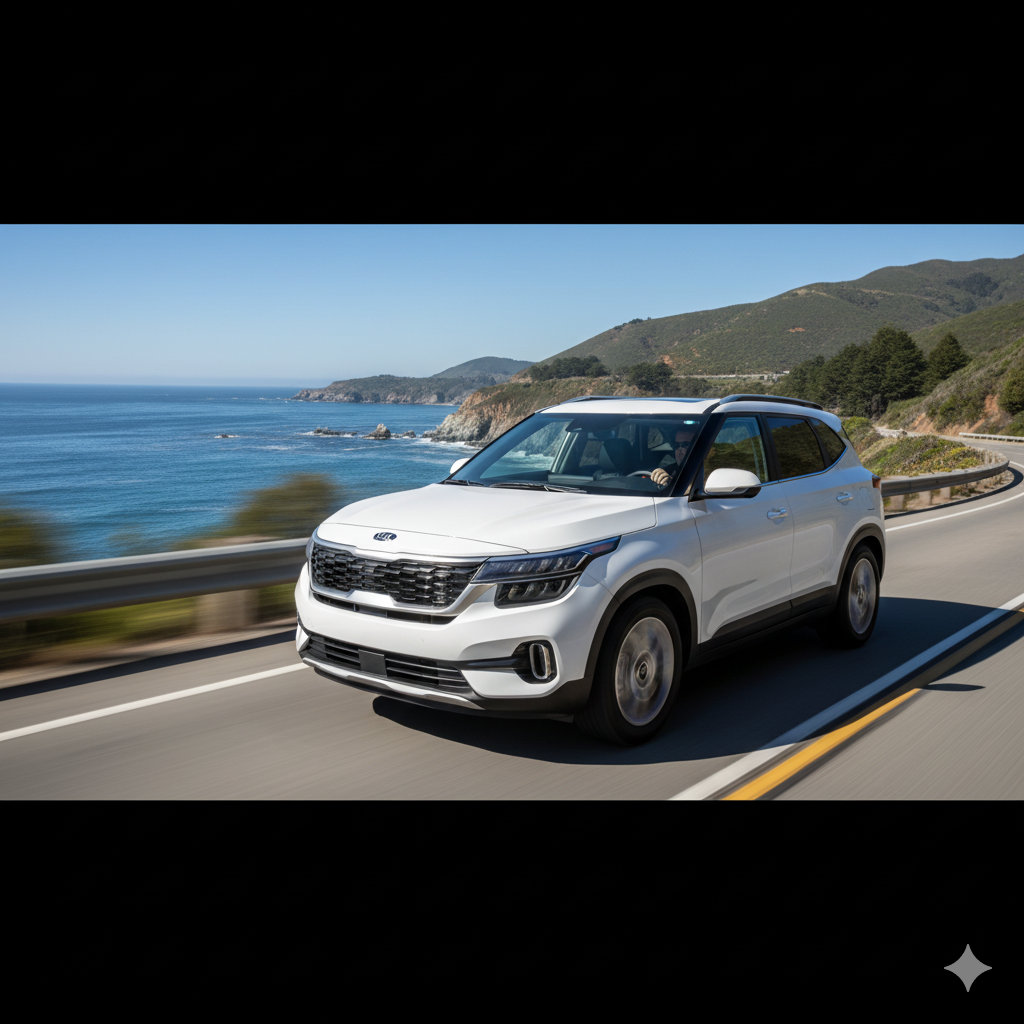
Jerry pulls up to 20 quotes from top rated carriers.
What New Hampshire drivers are paying with Jerry
Comparing quotes from multiple insurers is the simplest way to make sure you’re getting the right coverage at the right price. Whether you’re building a new policy, matching your current one or looking for the cheapest car insurance in New Hampshire, it pays to see what’s out there.
That matters in New Hampshire, where the state’s unique position as the only state that doesn’t require auto insurance makes it especially important to understand your options. Driving conditions range from the congestion of the southern tier near the Massachusetts border to mountain roads and rural highways up north. Jerry works with New Hampshire drivers every day, so your quotes reflect what’s actually typical for your area and driving profile.
Jerry works with 100+ trusted insurers nationwide, to help you build a policy and secure your best price in minutes. Here are some of the latest quotes Jerry has pulled for New Hampshire drivers at different coverage levels, plus how much each driver saved.
Recent quotes in New Hampshire
Customer | Date | Make | Insurer | Coverage level | Monthly quote | Savings |
|---|---|---|---|---|---|---|
| Grace, 28, Hooksett, NH | 10/23/26 | Nissan Sentra S | Liberty Mutual | Standard | $89 | 63% |
| Susie, 32, Salem, NH | 10/23/26 | Toyota RAV4 Le | Progressive | Basic | $23 | 78% |
| Ian, 56, Deerfield, NH | 10/23/26 | GMC Sierra K1500 Elevati | Progressive | Standard | $39 | 53% |
| Tom, 28, Merrimack, NH | 10/23/26 | Nissan Altima Base | Liberty Mutual | Basic + Full Coverage | $51 | 84% |
| Augusta, 24, Hudson, NH | 10/20/26 | Chevrolet Silverado K1500 Clas | Liberty Mutual | Preferred | $64 | 49% |
Based on Jerry customers with clean driving records who found savings in the past 12 months. Savings depend on coverage and other factors. Potential savings will vary.
Calculate your car insurance costs
Car insurance calculator
Your personal rate estimate in 60 seconds
| Coverage levels Basic:
Standard:
Preferred:
* Full coverage includes comprehensive & collision coverage. Coverages may differ in no-fault states. | |||
|---|---|---|---|
| Insurer | Basic | Standard | Preferred |
Compare quotes in other states:





New Hampshire car insurance coverage requirements
New Hampshire drivers are not required to buy auto insurance coverages, but they are required to show financial responsibility in case of an at-fault accident. If you do choose to buy car insurance in New Hampshire, you’ll need to purchase a policy that includes personal property and bodily injury liability, uninsured motorist protection and medical payments coverage (medpay).
For drivers who buy car insurance, the minimum coverage requirements in New Hampshire are:
-
$25,000 in bodily injury liability per person.
-
$50,000 in bodily injury liability per accident.
-
$25,000 in property damage liability per accident.
-
$25,000 in uninsured motorist coverage per person.
-
$50,000 in uninsured motorist coverage per accident.
-
$25,000 in uninsured motorist property damage per accident.
-
$1,000 in medical payments coverage.
New Hampshire drivers can choose to not get car insurance and instead show proof of financial responsibility by depositing money or approved securities with the state treasurer, in an amount that matches the minimum coverage liability limits listed above.
While either option makes you legal to drive, though, it won’t protect you against many major accidents or damage to your own car. For better protection, many Jerry drivers increase their coverage limits and buy comprehensive and collision coverage. Considering 10% of New Hampshire drivers are uninsured, it might also be a good choice to bump up your uninsured/underinsured motorist (UM/UIM) limits.
Coverage Definitions
-
Who it pays: The other person, for injuries when you’re at fault in a crash.
-
What it covers: Medical bills, lost wages and legal costs for people injured in an accident you cause.
-
How it pays: Up to your policy limits, shown as two numbers. For example, 50/100 means $50K per person and $100K per accident.*
-
Do you need it? Required by law in every state except New Hampshire. Your state sets a minimum, but Jerry recommends considering limits of at least 100/300.
Property damage liability (PD)
-
Who it pays: The other person, for property you damage in a crash.
-
What it covers: Costs to repair or replace another person’s car, fence, mailbox or other property you hit.
-
How it pays: Up to your policy’s limit. For example, $50K.*
-
Do you need it? Required by law in every state except New Hampshire. Your state sets a minimum, but Jerry recommends considering limits of at least $100K.
*Bodily injury liability and property damage liability are typically shown as three numbers on your policy, like 100/300/100. The first two numbers represent your bodily injury limits per person and per accident, while the third number represents your property damage limit.
-
Who it pays: You, for damage to your own car.
-
What it covers: Costs to repair or replace your own car after a crash with another car or object, like a guardrail or pole.
-
How it pays: You pay a deductible first, then insurance covers the rest, typically up to your car’s current market value.
-
Do you need it? Required if you’re financing or leasing your car. Optional otherwise, but recommended if your car is worth more than $5,000. May not be worthwhile for older, lower-value cars.
-
Who it pays: You, for damage to your own car.
-
What it covers: Damage from non-crash events like theft, vandalism, hail, flooding, falling trees, fire or hitting an animal.
-
How it pays: You pay a deductible first, then insurance covers the rest, typically up to your car’s current market value.
-
Do you need it? Required if you’re financing or leasing your car. Optional otherwise, but recommended if your car is worth more than $5,000. May not be worthwhile for older, lower-value cars.
Uninsured/underinsured motorist (UM/UIM)
-
Who it pays: You and your passengers, for injuries and property damage.
-
What it covers: Your own injuries and property damage when the at-fault driver has no insurance or not enough to cover your costs, including hit-and-runs in many states.
-
How it pays: Up to your chosen limits, which often match your BI limits. There’s usually no deductible for UM, but UIM may have one.
-
Do you need it? Required in some states, but Jerry recommends every driver get it, since about 1 in 8 drivers does not have car insurance.
Personal injury protection (PIP)
-
Who it pays: You and your passengers, for medical bills and lost income, no matter who caused the accident.
-
What it covers: Medical bills, lost wages, childcare, funeral costs and other expenses after an accident, regardless of fault.
-
How it pays: Up to your policy limit. There’s usually no deductible, though this varies by state.
-
Do you need it? Required in no-fault states. If available in your state, it’s worth considering.
-
Who it pays: You and your passengers, for medical bills.
-
What it covers: Medical expenses after an accident, regardless of fault.
-
How it pays: No deductible. Pays up to your policy’s limit.
-
Do you need it? Optional in most states, but can be valuable if you don’t have health insurance or have a high-deductible health plan.
-
Factors affecting New Hampshire car insurance rates in 2026
Winter ice and road damage
Snow, ice and constant freeze-thaw cycles make New Hampshire roads slippery and rough for months at a time. Collision coverage pays for your car after a winter crash, and comprehensive handles non-collision losses like fallen branches and ice damage. Both are worth keeping through the long winters here.
Rural crash severity
Outside the busier corridors, drivers deal with darker roads, tight shoulders and higher speeds. When crashes happen in those conditions, they tend to be more severe. Consider carrying collision coverage and make sure your liability limits can handle a serious accident, versus buying the state minimum.
Deer collisions
Wildlife strikes peak in fall and early winter, especially on rural roads at dusk and dawn. Comprehensive coverage is what typically pays for animal impacts, so it’s worth keeping if your driving includes back roads or wooded routes.
Uninsured drivers
About one in 10 New Hampshire drivers is uninsured, according to the IRC. Jerry recommends matching your UM/UIM limits to your liability limits, so you’re covered if the other driver can’t pay after a crash.
Cross-border commuting
A lot of New Hampshire residents commute into Massachusetts or Maine, which means more time in heavier traffic and more miles on the road. If you commute across state lines regularly, keep your coverage limits consistent and consider a telematics program like Jerry DriveShield, so safer driving can translate into a lower rate.
Nor’easters and storm debris
Nor’easters and winter storms can bring down branches and power lines, creating debris hazards on roads and in parking areas. Consider keeping comprehensive coverage, with a deductible you can afford, in case your vehicle is damaged by falling objects or storm debris.
Average cost of car insurance in major New Hampshire cities
City | Average monthly cost |
|---|---|
| Manchester, NH | $139 |
| Nashua, NH | $141 |
| Concord, NH | $98 |
| Londonderry, NH | $315 |
| Rochester, NH | $120 |
| Keene, NH | $100 |
| Laconia, NH | $108 |
| Dover, NH | $79 |
Based on Jerry customers with clean driving records who found savings in the past 12 months. Savings depend on coverage and other factors. Potential savings will vary.
Get New Hampshire quotes in as little as 2 minutes.
Learn more about driving in New Hampshire
-
Find out if car insurance is required in New Hampshire.
-
Understand the 6 main types of car insurance coverage.
-
Find out how much car insurance you need.
FAQ
- What are the minimum car insurance requirements in New Hampshire?
- What are the penalties for driving without insurance in New Hampshire?
- Is New Hampshire a no-fault or at-fault state?
- What is the average cost of car insurance in New Hampshire?
- Do I need uninsured motorist coverage in New Hampshire?
- What types of car insurance are required in New Hampshire?
- How do I register and insure a new car in New Hampshire?
- Does New Hampshire require personal injury protection (PIP)?
- Do I really not need car insurance in New Hampshire?


Stephanie Colestock is a professional writer, CFEI®, and licensed insurance agent specializing in personal finance. With over 14 years of experience, she crafts insightful and accessible content on a wide range of financial topics, including insurance, loans, credit/debt, investing, retirement planning, and banking.
Her bylines appear in top-tier publications such as TIME, Fortune, MSN, Business Insider, USA Today, Money, Fox Business, and CBS. Stephanie’s deep understanding of complex financial concepts and her ability to communicate them clearly have made her a trusted voice in the industry.
When she’s not writing, Stephanie enjoys SCUBA diving, reading a good book, and traveling the world with her family.